
40 MCQs on The Hairy Ape
Let us dive into the important 40 MCQs on The Hairy Ape and Eugene O’Neill
1. Who is known as the father of modern American drama?
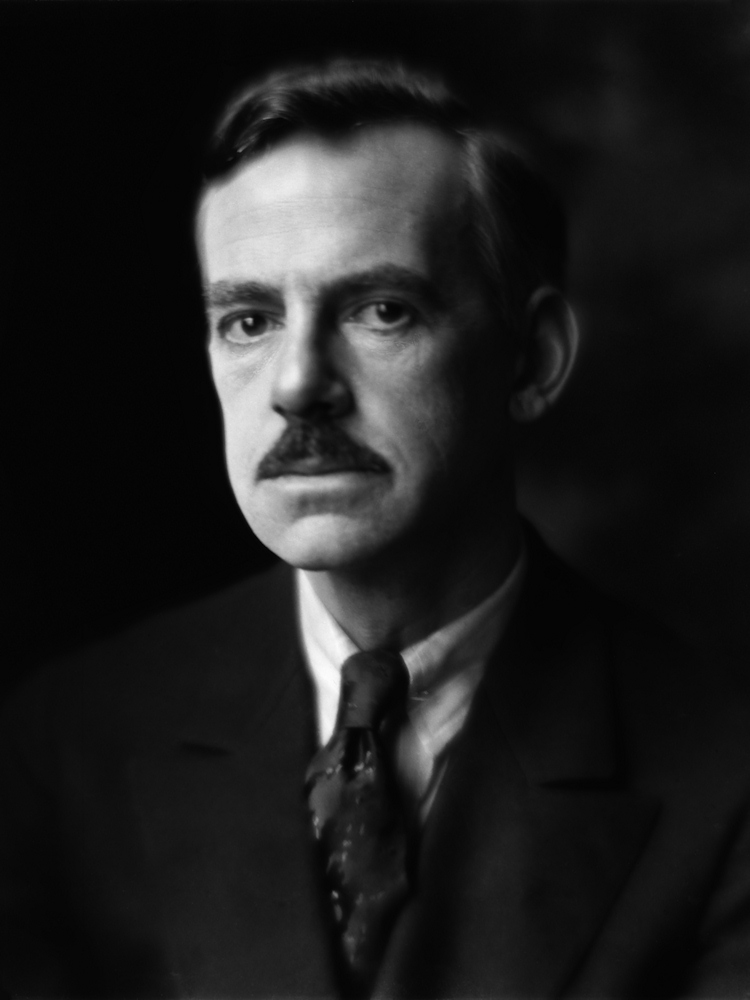
A. Arthur Miller
B. Tennessee Williams
C. Eugene O’Neill
D. Samuel Beckett
Answer:
C. Eugene O’Neill
2. Eugene O’Neill won the Nobel Prize in Literature in:
A. 1925
B. 1936
C. 1945
D. 1950
Answer:
B. 1936
3. Eugene O’Neill belonged to which country?
A. England
B. France
C. America
D. Ireland
Answer:
C. America
4. Which dramatic technique is strongly associated with Eugene O’Neill?
A. Romanticism
B. Expressionism
C. Classicism
D. Absurdism
Answer:
B. Expressionism
5. Which of the following is NOT written by Eugene O’Neill?
A. The Hairy Ape
B. Long Day’s Journey into Night
C. Death of a Salesman
D. Desire Under the Elms
Answer:
C. Death of a Salesman
6. Eugene O’Neill’s plays mainly deal with:
A. Fairy tales
B. Comic adventures
C. Human suffering and psychological conflict
D. Mythological fantasy
Answer:
C. Human suffering and psychological conflict
7. Which play of Eugene O’Neill is autobiographical?
A. The Hairy Ape
B. Long Day’s Journey into Night
C. The Emperor Jones
D. Anna Christie
Answer:
B. Long Day’s Journey into Night
8. Eugene O’Neill was awarded how many Pulitzer Prizes?
A. One
B. Two
C. Three
D. Four
Answer:
D. Four
9. Eugene O’Neill’s father was a:
A. Politician
B. Sailor
C. Actor
D. Businessman
Answer:
C. Actor
10. Which movement influenced O’Neill’s dramatic style?
A. Realism and Expressionism
B. Romanticism only
C. Metaphysical poetry
D. Victorian sentimentalism
Answer:
A. Realism and Expressionism
MCQs on The Hairy Ape
11. The Hairy Ape was published in:
A. 1910
B. 1915
C. 1922
D. 1930
Answer:
C. 1922
12. The protagonist of The Hairy Ape is:
A. Paddy
B. Yank
C. Long
D. Mildred
Answer:
B. Yank
13. What is Yank’s profession
A. Sailor
B. Coal stoker
C. Teacher
D. Soldier
Answer:
B. Coal stoker
14. The setting of the opening scenes is:
A. A palace
B. A battlefield
C. A ship’s stokehole
D. A prison
Answer:
C. A ship’s stokehole
15. Who calls Yank a “hairy ape”?
A. Long
B. Paddy
C. Mildred Douglas
D. The gorilla
Answer:
C. Mildred Douglas
16. Mildred Douglas belongs to which class?
A. Working class
B. Middle class
C. Upper class
D. Peasant class
Answer:
C. Upper class
17. The central theme of the play is:
A. Romantic love
B. Alienation and identity crisis
C. Religious devotion
D. Adventure and heroism
Answer:
B. Alienation and identity crisis
18. Which literary technique is used in The Hairy Ape?
A. Satire
B. Expressionism
C. Epic theatre
D. Pastoralism
Answer:
B. Expressionism
19. What does the stokehole symbolize?
A. Heaven
B. Industrial exploitation
C. Natural beauty
D. Freedom
Answer:
B. Industrial exploitation
20. Who represents nostalgia for the old sailing days?
A. Yank
B. Long
C. Paddy
D. Mildred
Answer:
C. Paddy
21. Long represents:
A. Religion
B. Capitalism
C. Socialism and class consciousness
D. Romanticism
Answer:
C. Socialism and class consciousness
22. Yank goes to Fifth Avenue for what?
A. Find work
B. Meet Mildred
C. Attack the upper class
D. Escape the city
Answer:
C. Attack the upper class
23. The gorilla in the play symbolizes:
A. Civilization
B. Primitive nature
C. Wealth
D. Intelligence
Answer:
B. Primitive nature
24. How does Yank die?
A. Suicide
B. Ship accident
C. Gorilla attack
D. Disease
Answer:
C. Gorilla attack
25. Yank’s tragedy lies in:
A. Poverty alone
B. Failure in love
C. Loss of identity and belonging
D. Physical weakness
Answer:
C. Loss of identity and belonging
26. The phrase “I belong” is associated with:
A. Mildred
B. Yank
C. Paddy
D. Long
Answer:
B. Yank
27. Which social issue is highlighted in the play?
A. Child marriage
B. Class conflict
C. Colonialism
D. Superstition
Answer:
B. Class conflict
28. The ending of the play is:
A. Comic
B. Happy
C. Tragic
D. Romantic
Answer:
C. Tragic
29. The Hairy Ape criticizes:
A. Ancient mythology
B. Industrial civilization
C. Medieval religion
D. Rural traditions
Answer:
B. Industrial civilization
30. The title, The Hairy Ape, mainly refers to
A. The gorilla only
B. A circus animal
C. Yank’s dehumanized condition
D. Primitive jungle life
Answer:
C. Yank’s dehumanized condition
Assertion–Reason Type Questions – The Hairy Ape
31. Assertion:
Yank feels confident at the beginning of the play.
Reason:
He believes he controls the ship’s power.
A. Both are true, and Reason is the correct explanation
B. Both are true, but Reason is not the correct explanation
C. Assertion is true, but Reason is false
D. Assertion is false, but Reason is true
Answer:
A. Both are true, and Reason is the correct explanation
32. Assertion: The Hairy ape
The play is expressionistic.
Reason:
It presents the inner emotional state of the protagonist.
A. Both are true, and Reason is the correct explanation
B. Both are true, but Reason is not the correct explanation
C. Assertion is false
D. Reason is false
Answer:
A. Both are true, and Reason is the correct explanation
True or False – The Hairy Ape
33. Eugene O’Neill was an English playwright.
Answer:
False
34. Mildred genuinely understands the suffering of workers.
Answer:
False
35. The gorilla accepts Yank as a companion.
Answer:
False
36. Alienation is an important theme in The Hairy Ape.
Answer:
True
37. Paddy admires modern industrial life.
Answer:
False
One-Line Revision Questions
38. Who wrote The Hairy Ape?
Answer:
Eugene O’Neill
39. What is the genre of the play?
Answer:
Expressionist drama
40. What is the main conflict in the play?
Answer:
Man versus society/identity crisis
Read More:
The Hairy Ape STUDY ENGLISH LITERATURE
40+ Important MCQs on ‘Travel by Train’ and ‘On Doing Nothing’ – J.B. Priestley
Important MCQs – “The Pleasures of Ignorance” by Robert Lynd