
1. About the Author – Oscar Wilde
Oscar Wilde (1854–1900) was an Irish poet, playwright, novelist, and essayist, and one of the most celebrated writers of the Victorian period. He was famous for his wit, epigrams, satire, paradoxes, and criticism of Victorian social conventions.
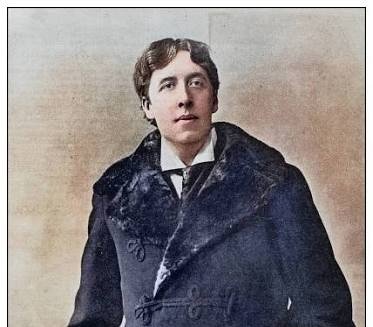
Wilde studied at Trinity College, Dublin, and Oxford University. He became an important figure in the Aesthetic Movement, which emphasized art, beauty, and style rather than moral instruction.
His major works include:
- The Picture of Dorian Gray (1890)
- Lady Windermere’s Fan (1892)
- A Woman of No Importance (1893)
- An Ideal Husband (1895)
- The Importance of Being Earnest (1895)
The Importance of Being Earnest is generally regarded as Wilde’s finest comedy. It combines farce, social satire, mistaken identity, romance, and brilliant verbal humour.
2. Summary of The Importance of Being Earnest
The Importance of Being Earnest is a comedy of manners centred on two young men, Jack Worthing and Algernon Moncrieff, who use false identities to escape their social responsibilities.
Act I – Jack and Algernon
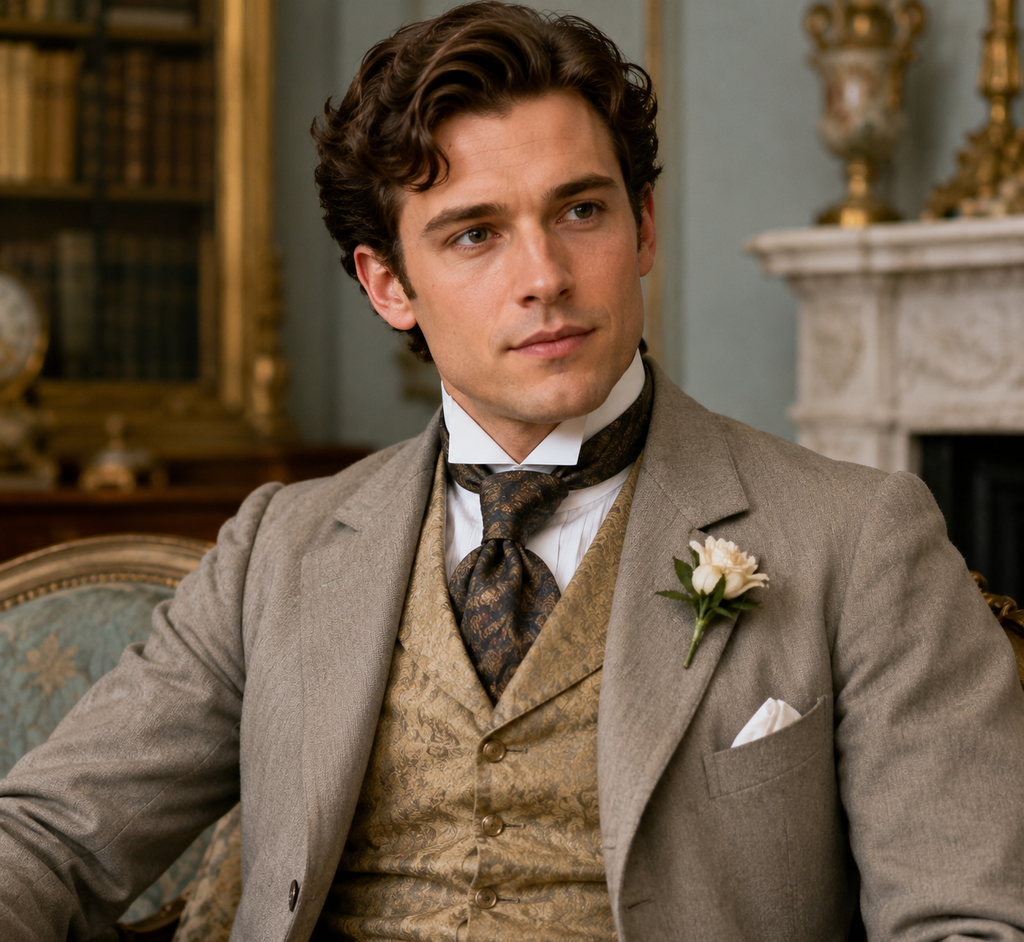
Jack Worthing lives in the country and is a respectable guardian to his young ward, Cecily Cardew. However, he secretly maintains a double life.
In the country, Jack is known as Jack and behaves responsibly. In London, he pretends to be a man named Ernest, who supposedly lives a morally questionable life. Jack calls this practice “Bunburying” in spirit—creating an imaginary identity or excuse to escape social obligations.
Algernon discovers Jack’s secret. Algernon himself has invented an imaginary invalid friend named Bunbury, whom he uses as an excuse to avoid unwanted social engagements.
Jack is in love with Gwendolen Fairfax, Algernon’s cousin. Gwendolen believes that Jack’s name is Ernest and declares that she could love no other name.
Jack wants to marry Gwendolen, but her mother, Lady Bracknell, strongly objects because Jack’s parentage is unknown. He was discovered as a baby in a handbag at Victoria Station.
Lady Bracknell considers this an unacceptable social background.
Act II – Cecily, Algernon and Gwendolen
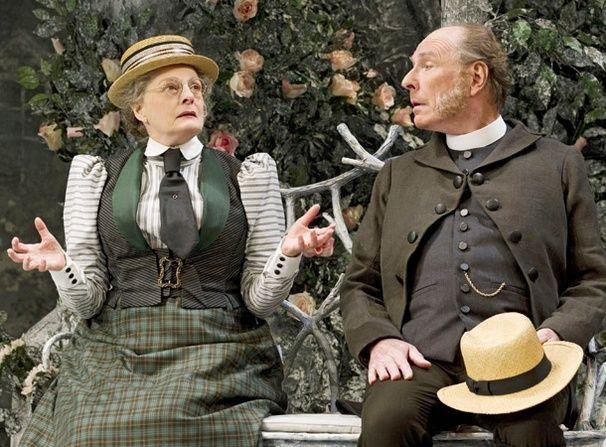
Algernon travels to Jack’s country house and introduces himself to Cecily as Ernest, pretending to be Jack’s troublesome brother.
Cecily has already imagined herself in love with Ernest.
Algernon quickly becomes attracted to Cecily.
Soon Gwendolen arrives looking for Jack, whom she knows as Ernest. She meets Cecily, and both women initially believe that they are engaged to a man named Ernest.
They discover the deception when Jack and Algernon appear.
Both men are forced to admit that they have been pretending to be Ernest.
The women become angry but eventually reconsider their relationships.
Act III – The Truth Revealed
Lady Bracknell arrives and discovers that Algernon wants to marry Cecily. She initially objects because of Cecily’s family background, but when she learns that Cecily has a large fortune, her attitude changes dramatically.
Jack agrees to allow Algernon to marry Cecily if Lady Bracknell approves his marriage to Gwendolen.
Then the mystery of Jack’s identity is finally solved.
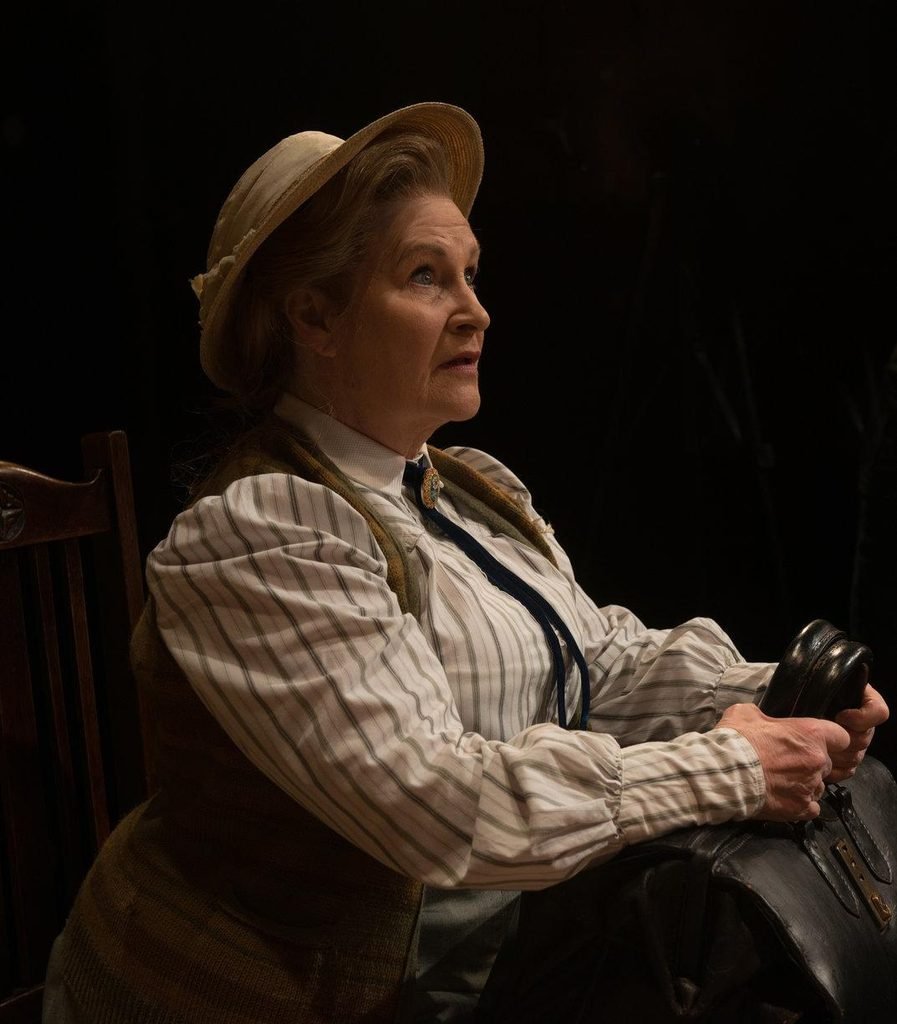
Miss Prism, Cecily’s governess, had accidentally placed a baby in a handbag years earlier and left the manuscript of a novel in the baby carriage.
The baby was Jack.
Jack discovers that he is actually Algernon’s elder brother and that his real family name is Ernest.
Most importantly, he discovers that his real name is indeed Ernest.
Thus, the elaborate lies and mistaken identities are resolved through an absurd coincidence.
The play ends with Jack declaring that he has finally understood “the importance of being earnest.”
3. Major Themes
1. Appearance vs Reality
This is one of the central themes of the play. Almost every major character maintains some kind of false identity or false appearance.
Jack pretends to be Ernest, while Algernon invents Bunbury.
Wilde shows that Victorian society itself is obsessed with appearances, reputation, manners, and social respectability.
2. Marriage and Social Status
Marriage is presented humorously as a social and economic arrangement rather than simply a romantic relationship.
Lady Bracknell treats marriage almost like a business transaction. She is concerned about:
- family background
- wealth
- social position
- connections
- respectability
Wilde therefore satirizes the marriage conventions of Victorian upper-class society.
3. Identity
The question “Who are you?” becomes surprisingly complicated in the play.
Jack has two identities, Algernon invents Bunbury, and both men pretend to be Ernest.
Wilde uses mistaken identity to question whether social identity is something inherent or something constructed.
4. Hypocrisy of Victorian Society
The characters constantly talk about morality and respectability, but their own behaviour is often ridiculous or contradictory.
Wilde exposes the gap between:
what Victorian society says it values
and
what people actually do.
This makes the play a powerful satire of Victorian social hypocrisy.
5. Earnestness vs. “Ernest”
The title itself is a pun.
Earnest means serious, sincere, and honest.
Ernest is a man’s name.
Jack and Algernon repeatedly pretend to be “Ernest,” while neither is particularly earnest.
The final revelation that Jack’s actual name is Ernest creates the play’s central comic irony.
6. Freedom and Social Convention
Jack and Algernon create alternative identities because they want freedom from social obligations.
Their invented identities allow them to escape:
- family duties
- social expectations
- unwanted invitations
- moral restrictions
Wilde suggests that rigid social conventions encourage people to live double lives.
4. Style of Oscar Wilde
Wilde’s style in The Importance of Being Earnest is distinctive and highly theatrical.
1. Wit and Epigrams
Wilde is famous for short, memorable, paradoxical statements.
For example:
“The truth is rarely pure and never simple.”
Such statements turn ordinary social observations into comic paradoxes.
2. Paradox
Wilde frequently reverses conventional ideas.
Characters say things that sound absurd but reveal important truths about society.
3. Satire
Wilde uses humour to criticize:
- Victorian morality
- aristocratic society
- marriage
- social class
- education
- respectability
- hypocrisy
4. Comedy of Manners
The play belongs to the tradition of comedy of manners, which focuses on the behaviour, language, relationships, and social conventions of fashionable society.
5. Farce
The play uses:
- mistaken identities
- improbable situations
- secret identities
- coincidences
- romantic confusion
- exaggerated characters
These elements create farcical comedy.
6. Verbal Humour
Much of the comedy comes not from physical action but from clever dialogue.
Wilde’s characters often make witty remarks that expose the absurdity of social conventions.
7. Irony
There is constant dramatic and situational irony. The audience knows about the characters’ deceptions while other characters remain unaware.
5. Character Sketches
Jack Worthing
Jack is the protagonist of the play. He is a respectable country gentleman and guardian of Cecily.
He leads a double life:
- Jack Worthing in the country
- Ernest in London
He uses the fictional Ernest to escape his responsibilities.
Jack genuinely loves Gwendolen but is also concerned with maintaining his respectable image.
His character represents the conflict between social respectability and personal freedom.
Algernon Moncrieff
Algernon is witty, intelligent, selfish, and pleasure-loving.
He creates the imaginary invalid Bunbury to escape social obligations.
Like Jack, he enjoys deception and dislikes conventional responsibilities.
Algernon is arguably the most entertaining character because he treats serious matters such as marriage and morality with complete irreverence.
He represents individual freedom and rebellion against social conventions.
Gwendolen Fairfax
Gwendolen is Lady Bracknell’s daughter and Jack’s beloved.
She is confident, sophisticated, fashionable, and determined.
Interestingly, she is fascinated by the name Ernest rather than simply by Jack himself.
Her famous attitude toward the name shows Wilde’s comic treatment of romantic ideals.
She represents the fashion-conscious, sophisticated Victorian woman.
Cecily Cardew
Cecily is Jack’s young ward.
She is imaginative, romantic, and intelligent.
She creates an imaginary romantic history with Ernest before she has even met him.
Her relationship with Algernon reveals that she is not as innocent as she initially appears.
She combines youthful romantic imagination with considerable independence.
Lady Bracknell
Lady Bracknell is one of the most memorable comic characters in the play.
She is authoritarian, socially ambitious, materialistic, and obsessed with class and respectability.
She believes that marriage should be based on appropriate social connections.
Her interrogation of Jack about his family background is one of the funniest scenes in the play.
Through Lady Bracknell, Wilde satirizes Victorian aristocracy, class consciousness, and social hypocrisy.
Miss Prism
Miss Prism is Cecily’s governess.
She appears respectable and morally serious but has a comic secret from her past.
She once accidentally placed the baby Jack in a handbag.
Her character contributes to the play’s theme of appearance versus reality.
Rev. Chasuble
Dr. Chasuble is the rector of the parish.
He is a respectable clergyman who has a romantic interest in Miss Prism.
His relationship with Miss Prism provides another comic subplot and gently satirizes Victorian religious respectability.
6. Significance of the Title
The title ** The Importance of Being Earnest ** contains a deliberate pun.
Ernest = the name Jack claims to have.
Earnest = serious, sincere, truthful.
The entire play revolves around deception, false identities, and the social demand for respectability.
The irony is that the characters pretend to be Ernest while behaving anything but earnestly.
At the end, Jack discovers that he actually is Ernest, making the title both comic and structurally significant.
7. Exam-Oriented Conclusion
The Importance of Being Earnest is much more than a romantic comedy. It is a brilliant satire of Victorian society. Through mistaken identities, witty dialogue, paradoxes, and exaggerated characters, Oscar Wilde exposes the contradictions between morality and behaviour, appearance and reality, social respectability and individual freedom. The play’s enduring appeal lies in Wilde’s ability to make serious social criticism entertaining through wit, irony, farce, and comedy of manners.