
Important MCQs – “The Pleasures of Ignorance” by Robert Lynd
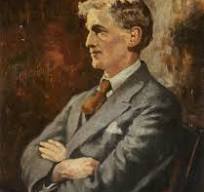
Before diving into the Important MCQs on “The Pleasures of Ignorance” by Robert Lynd, let us first understand the essay in short:
Summary of “The Pleasures of Ignorance” by Robert Lynd:
1. Introduction: Questioning the Value of Knowledge
Robert Lynd begins by challenging the widely accepted belief that knowledge is always beneficial. He suggests that although knowledge is important, it can also bring worry, responsibility, and mental strain.
2. Knowledge as a Source of Anxiety
Lynd explains that knowing too much about life—its risks, dangers, and uncertainties—often creates fear and anxiety. When people are fully aware of possible negative outcomes, they tend to overthink and lose the ability to enjoy simple moments.
3. Ignorance as a Source of Happiness
The essay highlights that ignorance can provide peace and comfort. When individuals are unaware of certain complexities or dangers, they live more freely and happily. Lynd presents ignorance not as foolishness, but as a state that protects mental well-being.
4. Ignorance and the Sense of Wonder
Lynd connects ignorance with curiosity and discovery. He observes that children experience joy because they do not know everything; their ignorance makes them feel excited about learning new things. This sense of wonder diminishes as knowledge increases.
5. The Burden of Complete Awareness
Lynd argues that complete awareness of all aspects of life would make existence heavy and difficult. Constant knowledge of problems, responsibilities, and future uncertainties can overwhelm the human mind.
6. The Need for Balance
Importantly, Lynd does not reject knowledge entirely. He advocates a balance between knowledge and ignorance. While knowledge helps in growth and understanding, a certain degree of ignorance is necessary for peace and happiness.
7. Conclusion: Ignorance as a Protective Force
Lynd concludes that ignorance, when balanced with knowledge, acts as a protective and comforting force. It allows individuals to live with ease, maintain emotional stability, and enjoy life without unnecessary burden.
Important MCQs – “The Pleasures of Ignorance” by Robert Lynd:
What is the central idea of Robert Lynd’s essay “The Pleasures of Ignorance”?
- a) Knowledge is the only path to happiness
- b) Ignorance is a source of shame

The Pleasures of Ignorance by Robert Lynd - c) There is a certain joy in not knowing everything
- d) Education removes all pleasures of life

Answer: c) There is a certain joy in not knowing everything
According to Lynd, why does he enjoy the return of spring each year?
- a) Because he has studied every detail of seasonal change
- b) Because he never remembers what the plants are called
- c) Because he is a skilled gardener
- d) Because spring is the most productive season
Answer: b) Because he never remembers what the plants are called
What tone does Lynd use throughout “The Pleasure of Ignorance”?
- a) Angry and critical
- b) Formal and academic
- c) Humorous and reflective
- d) Sarcastic and bitter
Answer: c) Humorous and reflective
Robert Lynd compares his ignorance of birds and trees to that of a:
- a) Botanist
- b) Child
- c) Philosopher
- d) Scientist
Answer: b) child
Why does Lynd enjoy his ignorance of nature?
- a) It allows him to learn something new every year
- b) He dislikes books and formal education
- c) He wants to show off in front of friends
- d) He finds nature uninteresting
Answer: a) It allows him to learn something new every year
What literary technique does Lynd often use in the essay?
- a) Allegory
- b) Satire
- c) Pun
- d) Personification
Answer: b) Satire
What is Lynd’s attitude towards experts in natural sciences?
- a) He envies them
- b) He mocks them gently
- c) He fears them
- d) He ignores them completely
Answer: b) He mocks them gently
Lynd believes ignorance brings:
- a) Frustration
- b) Curiosity and delight
- c) Despair
- d) Confusion
Answer: b) Curiosity and delight
How does Lynd treat the idea of knowing the names of trees and birds?
- a) As essential knowledge
- b) As boring trivia
- c) As useful for survival
- d) As unimportant to enjoyment
Answer: d) As unimportant to enjoyment
Robert Lynd was a prominent essayist from which country?
- a) England
- b) Ireland
- c) Scotland
- d) Wales
Answer: b) Ireland
Under which pen name did Robert Lynd sometimes write?
- a) A.E.
- b) Y.Y.
- c) J.J.
- d) S.S.
Answer: b) Y.Y.
Robert Lynd was associated with which major British newspaper?
- a) The Guardian
- b) The Times
- c) The Daily News
- d) The Telegraph
Answer: c) The Daily News
What is a key feature of Lynd’s writing style?
- a) Complex academic arguments
- b) Dry technical language
- c) Humorous and conversational tone
- d) Short poetry and rhymes
Answer: c) Humorous and conversational tone
Robert Lynd was deeply influenced by which ideology?
- a) Fascism
- b) Capitalism
- c) Socialism
- d) Monarchism
Answer: c) Socialism
What genre of literature is Robert Lynd best known for?
- a) Drama
- b) Novels
- c) Personal Essays
- d) Travel Writing
Answer: c) Personal Essays
Robert Lynd’s essays often reflect on:
- a) Political revolutions
- b) The charm of ordinary life
- c) Scientific inventions
- d) Historical biographies
Answer: b) The charm of ordinary life
Robert Lynd wrote essays mainly for:
A. Academic journals
B. Newspapers and periodicals
C. Government reports
D. Religious texts
Answer: B. Newspapers and periodicals
Which of the following is NOT a work of Lynd?
A. The Blue Lion
B. The Green Isle of Erin
C. Essays of Elia
D. Solomon in All His Glory
Answer: C. Essays of Elia (by Charles Lamb)
The central idea of the essay is:
A. Knowledge is always harmful
B. Ignorance can bring happiness
C. Memory is unreliable
D. Education is unnecessary
Answer: B Ignorance can bring happiness
Lynd challenges which common belief?
A. Ignorance is bliss
B. Knowledge is always beneficial
C. Memory is important
D. Education is necessary
Answer: B
According to Lynd, excessive knowledge leads to:
A. Wisdom
B. Anxiety
C. Power
D. Discipline
Answer: B
Ignorance in the essay is presented as:
A. Weakness
B. Strength in all cases
C. A source of comfort
D. A moral flaw
Answer: C
Lynd’s tone is primarily:
A. Angry
B. Humorous and reflective
C. Formal
D. Tragic
Answer: B
The essay belongs to which genre?
A. Drama
B. Familiar essay
C. Novel
D. Lyric poetry
Answer: B
Ignorance allows individuals to:
A. Gain power
B. Avoid responsibility
C. Enjoy life peacefully
D. Become intelligent
Answer: C
Lynd associates ignorance with:
A. Fear
B. Curiosity
C. Anger
D. Pride
Answer: B
Children are used as examples because they:
A. Are intelligent
B. Lack discipline
C. Experience wonder due to ignorance
D. Avoid knowledge
Answer: C
Lynd’s main argument is:
A. Reject knowledge completely
B. Promote ignorance entirely
C. Maintain balance between knowledge and ignorance
D. Avoid education
Answer: C
READ MORE
15th Century English Literature – Important MCQS
40+ Important MCQs on ‘Travel by Train’ and ‘On Doing Nothing’ – J.B. Priestley
The-white-tiger-by-aravind-adiga
30-mcqs-on-the-old-man-and-the-sea