
Important MCQs on Epic Poetry
These are the Important MCQs on Epic Poetry wherein we will learn about its Origin, Meaning, Types, and Famous Epic Writers.
Meaning and Origin of Epic Poetry
-
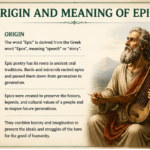
The word “Epic” is derived from the Greek word ________.
Origin-and-Meaning-of-Epic-Poetry
a) Lyrikos
b) Epos
c) Drama
d) MythosAnswer: b) Epos
-
The Greek word “Epos” means ________.
a) Song
b) Speech or Story
c) Dance
d) TragedyAnswer: b) Speech or Story
-
Epic poetry is generally a ________.
a) Short lyric poem
b) Narrative poem
c) Dramatic monologue
d) SonnetAnswer: b) Narrative poem
-
An epic usually deals with the adventures of a ________.
a) Common man
b) Villain
c) Hero of national importance
d) ClownAnswer: c) Hero of national importance
-
Which of the following is a major characteristic of epic poetry?
a) Personal emotions only
b) Humorous tone
c) Grand style and heroic deeds
d) Simple daily incidentsAnswer: c) Grand style and heroic deeds
-
Epic poetry often begins with an invocation to ________.
a) Nature
b) The Muse
c) Kings
d) FriendsAnswer: b) The Muse
-
The earliest epics were mainly transmitted through ________.
a) Printing
b) Oral tradition
c) Television
d) NewspapersAnswer: b) Oral tradition
-
Which civilization is closely associated with the earliest epics?
a) Roman
b) Egyptian
c) Greek
d) ChineseAnswer: c) Greek
-
An epic generally reflects the ________ of a nation.
a) Fashion
b) Culture and ideals
c) Business
d) ScienceAnswer: b) Culture and ideals
- Which literary device is frequently used in epics?
a) Epic simile
b) Pun
c) Irony only
d) Haiku
Answer: a) Epic simile
Important MCQs on Epic Poetry
2. Types of Epic
- The two major types of epic are ________.
a) Lyric and Ballad
b) Folk epic and Literary epic
c) Sonnet and Ode
d) Tragedy and Comedy
Answer: b) Folk epic and Literary epic
- A folk epic is also known as a ________.
a) Mock epic
b) Traditional epic
c) Romantic epic
d) Dramatic epic
Answer: b) Traditional epic
- A literary epic is usually written by ________.
a) Unknown poets
b) Multiple writers
c) A known author
d) Priests only
Answer: c) A known author
- Which of the following is a folk epic?
a) Paradise Lost
b) The Aeneid
c) The Iliad
d) The Faerie Queene
Answer: c) The Iliad
- Which of the following is a literary epic?
a) Beowulf
b) The Odyssey
c) Paradise Lost
d) Mahabharata
Answer: c) Paradise Lost
- Mock epic is a form that ________.
a) Praises heroes seriously
b) Imitates epic style humorously
c) Describes nature
d) Focuses on love only
Answer: b) Imitates epic style humorously
- Which work is an example of mock epic?
a) Paradise Lost
b) The Rape of the Lock
c) Iliad
d) Ramayana
Answer: b) The Rape of the Lock
- Who wrote The Rape of the Lock?
a) John Milton
b) Homer
c) Alexander Pope
d) Virgil
Answer: c) Alexander Pope
Important MCQs on Epic Poetry
3. Famous Epic Writers and Their Works
- Who is known as the author of The Iliad and The Odyssey?
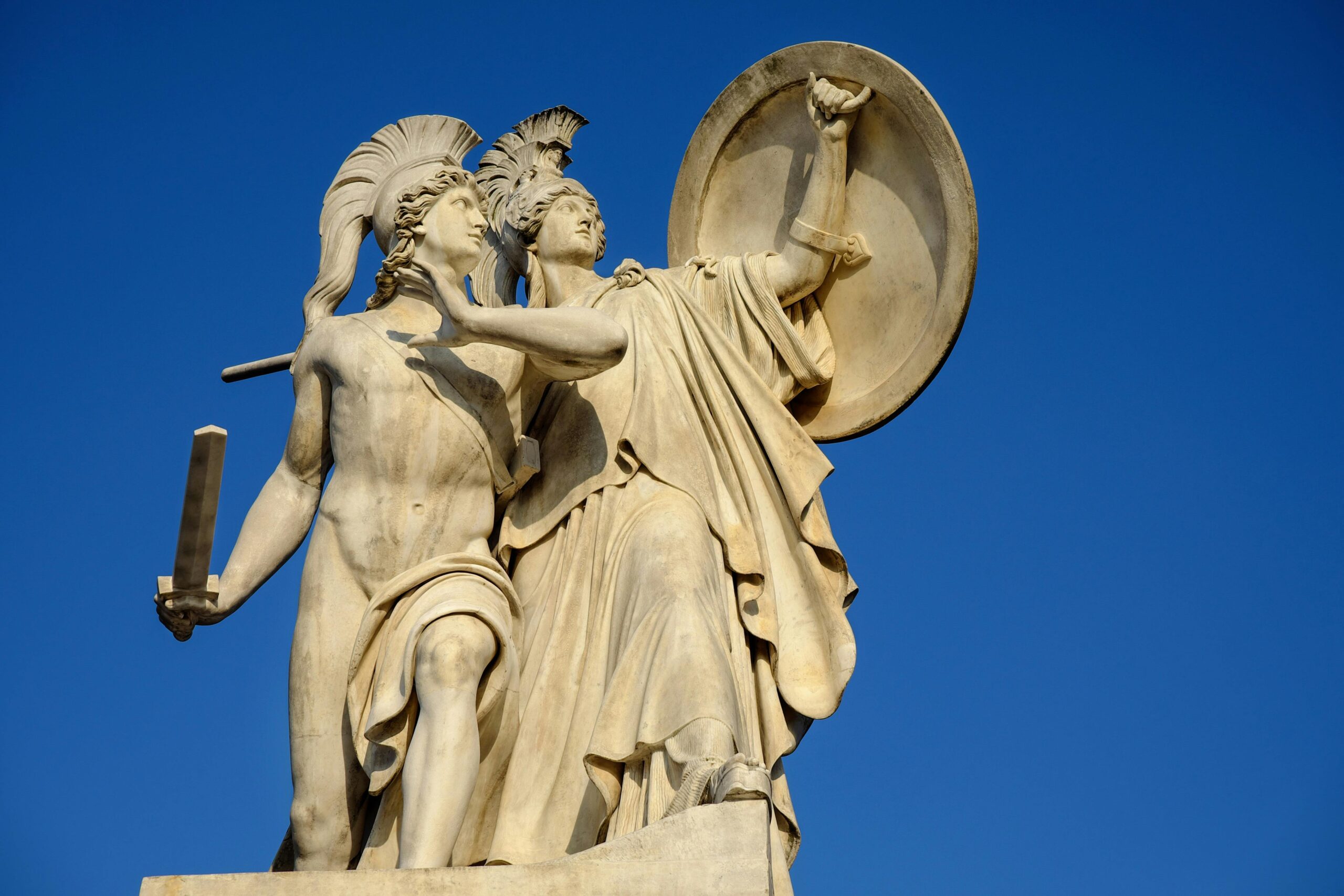
Iliad and Odyssey – Famous Greek Epic Poetry
a) Virgil
b) Homer
c) Dante
d) Milton
Answer: b) Homer
- The Iliad is associated with the ________.
a) Trojan War
b) French Revolution
c) Roman Empire
d) Industrial Revolution
Answer: a) Trojan War
- The Odyssey narrates the journey of ________.
a) Achilles
b) Hector
c) Odysseus
d) Aeneas
Answer: c) Odysseus
- Who wrote The Aeneid?
a) Homer
b) Virgil
c) Dante
d) Chaucer
Answer: b) Virgil
- The Aeneid is a famous ________ epic.
a) Greek
b) Roman
c) Indian
d) English
Answer: b) Roman
- Who wrote Paradise Lost?
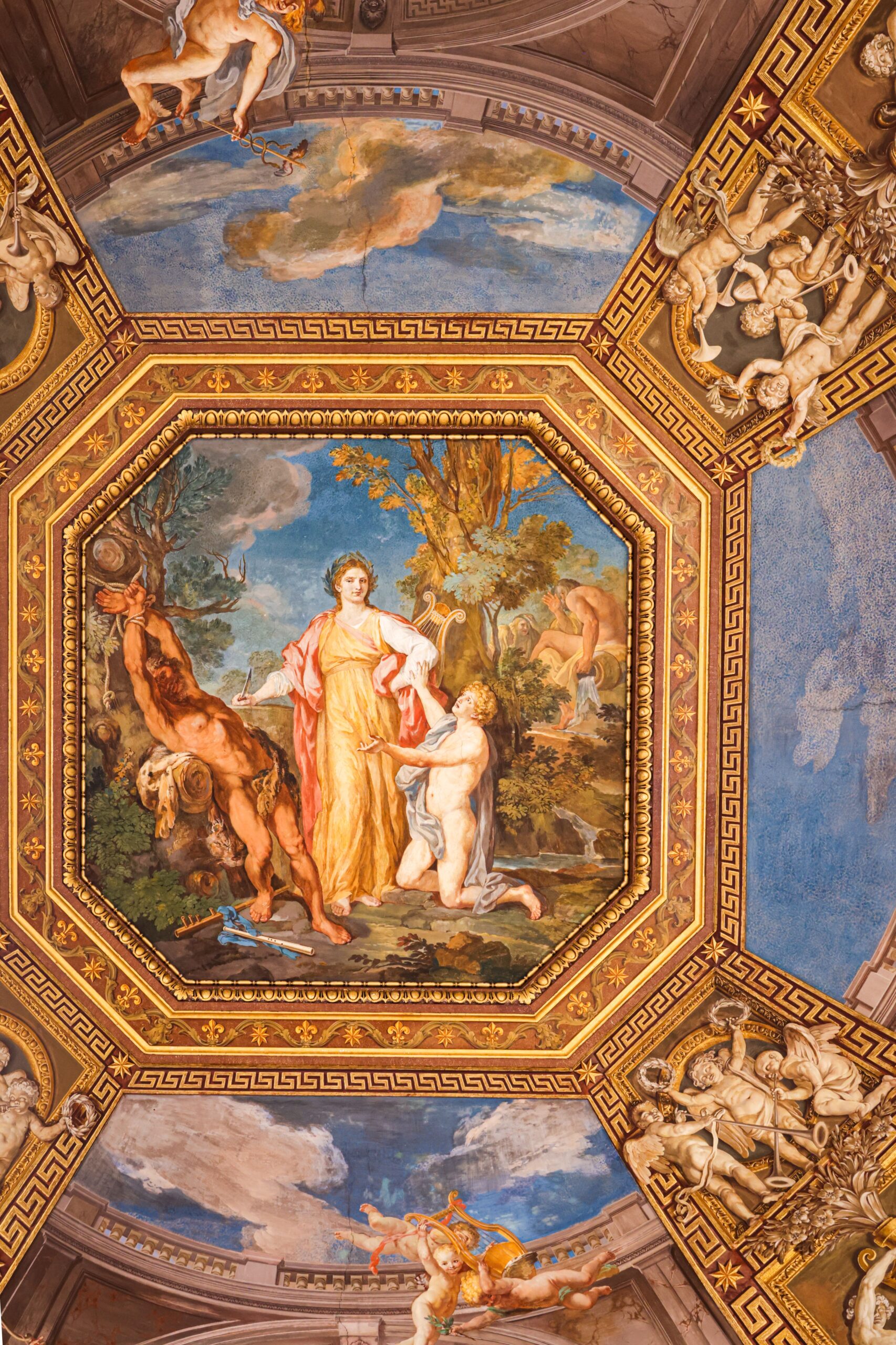
Paradise Lost – John Milton
a) John Milton
b) Edmund Spenser
c) Alexander Pope
d) Shakespeare
Answer: a) John Milton
- Paradise Lost deals with ________.
a) Trojan War
b) Fall of Man
c) French society
d) Love story
Answer: b) Fall of Man
- Who wrote The Divine Comedy?
a) Dante Alighieri
b) Homer
c) Milton
d) Virgil
Answer: a) Dante Alighieri
- The Divine Comedy consists of ________.
a) Three parts
b) Two parts
c) Four parts
d) Five parts
Answer: a) Three parts
- Who wrote The Faerie Queene?
a) John Milton
b) Edmund Spenser
c) Virgil
d) Dryden
Answer: b) Edmund Spenser
- The national epic of India is ________.
a) Iliad
b) Beowulf
c) Mahabharata
d) Aeneid
Answer: c) Mahabharata
- Ramayana was written by ________.
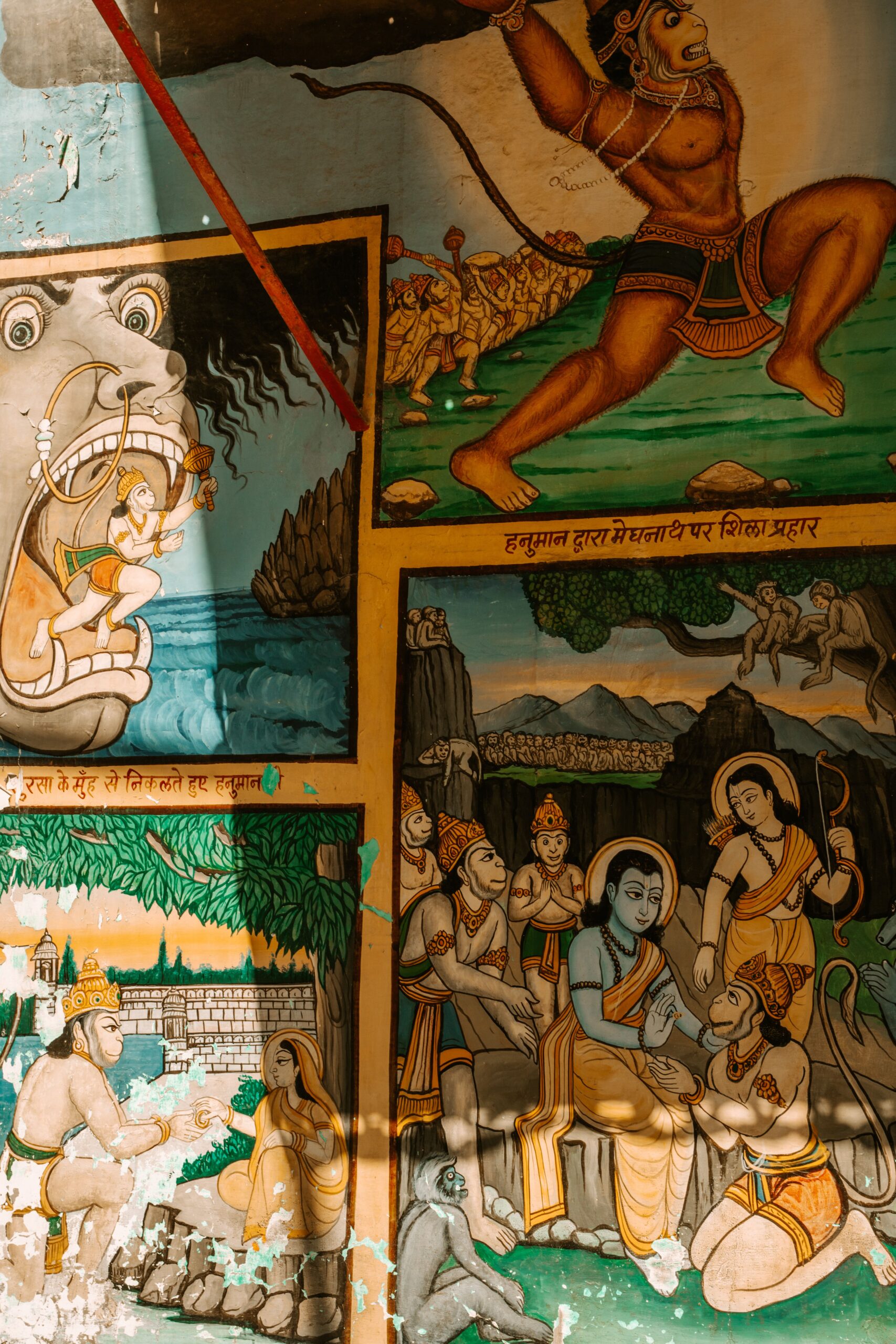
The Ramayana – Epic Poetry
a) Kalidasa
b) Valmiki
c) Vyasa
d) Tulsidas
Answer: b) Valmiki
- Mahabharata is traditionally attributed to ________.
a) Kalidasa
b) Vyasa
c) Valmiki
d) Bharata
Answer: b) Vyasa
- Which Old English epic features the hero Beowulf?
a) Beowulf
b) Paradise Lost
c) Odyssey
d) Aeneid
Answer: a) Beowulf
- Beowulf belongs to ________ literature.
a) French
b) Old English
c) Greek
d) Roman
Answer: b) Old English
- Which epic is considered one of the longest poems in the world?
a) The Iliad
b) Paradise Lost
c) Mahabharata
d) Aeneid
Answer: c) Mahabharata
- Who is the central hero of Ramayana?
a) Krishna
b) Rama
c) Arjuna
d) Karna
Answer: b) Rama
4. Additional Important MCQs on Epic Poetry
- The style of an epic is usually ________.
a) Grand and elevated
b) Comic and simple
c) Informal
d) Conversational
Answer: a) Grand and elevated
- Which of the following is NOT an epic characteristic?
a) Supernatural elements
b) Heroic action
c) Elevated language
d) Everyday triviality
Answer: d) Everyday triviality
- Epic heroes often possess ________.
a) Ordinary abilities
b) Superhuman qualities
c) Magical weakness only
d) Comic nature
Answer: b) Superhuman qualities
- Which poet attempted to “justify the ways of God to men” in his epic?
a) Homer
b) Dante
c) Milton
d) Virgil
Answer: c) Milton
- Which of the following epics belongs to Greek literature?
a) Aeneid
b) Paradise Lost
c) Iliad
d) Ramayana
Answer: c) Iliad
- Which epic hero is known for his wrath?
a) Achilles
b) Odysseus
c) Rama
d) Aeneas
Answer: a) Achilles
- Which epic hero wandered for ten years after the Trojan War?
a) Hector
b) Achilles
c) Odysseus
d) Aeneas
Answer: c) Odysseus
- Which epic was written in Latin?
a) Iliad
b) Odyssey
c) Aeneid
d) Beowulf
Answer: c) Aeneid
- Who is considered the “Prince of Epic Poets” in English literature?
a) Shakespeare
b) Milton
c) Pope
d) Chaucer
Answer: b) Milton
- Which of the following is NOT an epic poet?
a) Homer
b) Virgil
c) Milton
d) Wordsworth
Answer: d) Wordsworth
- The supernatural machinery in epics often includes ________.
a) Gods and angels
b) Farmers
c) Merchants
d) Servants only
Answer: a) Gods and angels
- A long journey undertaken by the hero is called a ________.
a) Satire
b) Quest
c) Elegy
d) Sonnet
Answer: b) Quest
- Which epic influenced many later Western epics?
a) Mahabharata
b) Iliad and Odyssey
c) Ramayana
d) Beowulf
Answer: b) Iliad and Odyssey
- Which epic centers on Satan’s rebellion against God?
a) Aeneid
b) Paradise Lost
c) Divine Comedy
d) Odyssey
Answer: b) Paradise Lost
- Epic poetry is considered one of the ________ forms of literature.
a) Newest
b) Simplest
c) Oldest
d) Shortest
Answer: c) Oldest
You can also visit my YouTube Channel: