
Oedipus Rex
Introduction: Oedipus Rex is a Greek tragedy written by Sophocles. It was first performed in the year C. 429 BCE. The setting of the play is in Thebes. It is a play as follows:
Oedipus Rex – Act-wise Summary
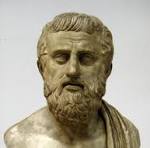
Note: Unlike modern plays, Sophocles’ Oedipus Rex was not originally divided into acts. Greek tragedies were structured into:
- Prologue
- Parodos (Entrance Song of the Chorus)
- Episode I
- Stasimon I (Choral Ode)
- Episode II
- Stasimon II
- Episode III
- Stasimon III
- Episode IV
- Stasimon IV
- Exodus (Final Scene)
Summary of Oedipus Rex
- The play begins with Thebes suffering from a terrible plague. The people ask their king, Oedipus, to save the city.
- Oedipus sends Creon to the Oracle of Apollo. The oracle declares that the plague will end only when the murderer of the former king, Laius, is found and punished.
- Determined to solve the mystery, Oedipus questions the blind prophet Tiresias. Tiresias reveals that Oedipus himself is the murderer, but Oedipus refuses to believe him and accuses Creon of conspiracy.
- Queen Jocasta, Oedipus’s wife, tries to calm him. She tells him that an old prophecy predicted Laius would be killed by his own son, but she believes it failed because the child was abandoned.
- Oedipus gradually recalls killing an old man at a crossroads years earlier. He becomes suspicious that he may have killed Laius.
- A messenger from Corinth arrives with the news that King Polybus has died. He also reveals that Oedipus was adopted and was not Polybus’s biological son.
- An old shepherd confirms the shocking truth: Oedipus is the son of Laius and Jocasta. As an infant, he was abandoned to prevent the prophecy from coming true.
- Without knowing his true identity, Oedipus had killed his father, Laius, and later married his mother, Jocasta, thus fulfilling the prophecy.
- Horrified, Jocasta commits suicide. Oedipus blinds himself with her brooches and asks to be exiled from Thebes.
- Creon becomes the new ruler, and Oedipus leaves the city in shame, accepting responsibility for his actions.
Important Themes Explained

1. Fate vs. Free Will
- The Oracle predicts Oedipus’ future.
- Laius and Oedipus both try to escape the prophecy.
- Their attempts only help fulfil it.
- Message: Fate cannot be avoided.
2. Search for Truth
- Oedipus investigates Laius’ murder.
- Every clue brings him closer to the truth.
- He refuses to stop despite warnings.
- Message: Truth may be painful, but it must be faced.
3. Hubris (Pride)
- Oedipus trusts his own judgment too much.
- He insults Tiresias and suspects Creon.
- His arrogance blinds him to reality.
- Message: Pride leads to destruction.
4. Blindness and Insight
- Tiresias is blind yet sees the truth.
- Oedipus sees physically but is blind to his past.
- After learning the truth, he blinds himself.
- Message: Inner vision is more valuable than physical sight.
5. Suffering
- Thebes suffers from plague.
- Jocasta dies by suicide.
-
- Oedipus curses the murderer—he is cursing himself.
- Tiresias, though physically blind, sees the truth, while Oedipus, though physically sighted, is blind to reality.
- Jocasta rejects prophecy, yet her own life proves it true.
- Oedipus becomes blind only after he gains true insight.Oedipu
Irony in Oedipus Rex
- Oedipus Rex is regarded as one of the finest examples of dramatic irony in world literature.
- Dramatic irony occurs when the audience knows the truth, but the characters remain unaware of it.
- From the beginning, the audience knows that Oedipus has unknowingly killed his father, Laius, and married his mother, Jocasta.
- Oedipus confidently declares that he will punish Laius’ murderer, not realizing that he himself is the guilty person.
- He curses the unknown murderer, but the curse ultimately falls upon himself.
- When Tiresias tells Oedipus the truth, Oedipus accuses him of lying and conspiring with Creon. The audience knows that Tiresias is speaking the truth.
- Jocasta dismisses the prophecies as unreliable. Ironically, her own story provides the clues that reveal the prophecy has been fulfilled.
- Oedipus believes he has escaped the prophecy by leaving Corinth, but his actions actually lead him to fulfil it.
- The messenger from Corinth arrives with what seems like good news, but his revelation that Oedipus was adopted brings him closer to discovering the terrible truth.
- Oedipus’ determination to uncover the truth, though admirable, becomes the very cause of his downfall.
- The irony increases the audience’s feelings of pity and fear, leading to catharsis.
- Through irony, Sophocles emphasizes that human beings cannot escape fate, however wise or powerful they may be.
Types of Irony in the Play
1. Dramatic Irony
- The audience knows Oedipus’ true identity long before he does.
- Oedipus searches for Laius’ murderer while unknowingly searching for himself.
- Tiresias knows the truth, but Oedipus rejects it.
2. Verbal Irony
- Oedipus says he will punish the murderer “as if he were my own father.”
- Ironically, Laius is actually his father.
3. Situational Irony
- Oedipus leaves Corinth to avoid the prophecy, but this decision causes him to fulfil it.
- His search for truth brings wisdom but also destroys his life.
Important Examples
- Message: Suffering can lead to wisdom and humility.
Irony is the foundation of Oedipus Rex. Sophocles masterfully uses dramatic, verbal, and situational irony to create suspense, deepen the tragic effect, and highlight the themes of fate, truth, blindness, and human limitation. This powerful use of irony makes the play a timeless masterpiece of Greek tragedy.
Importance of the Oracle in Oedipus Rex
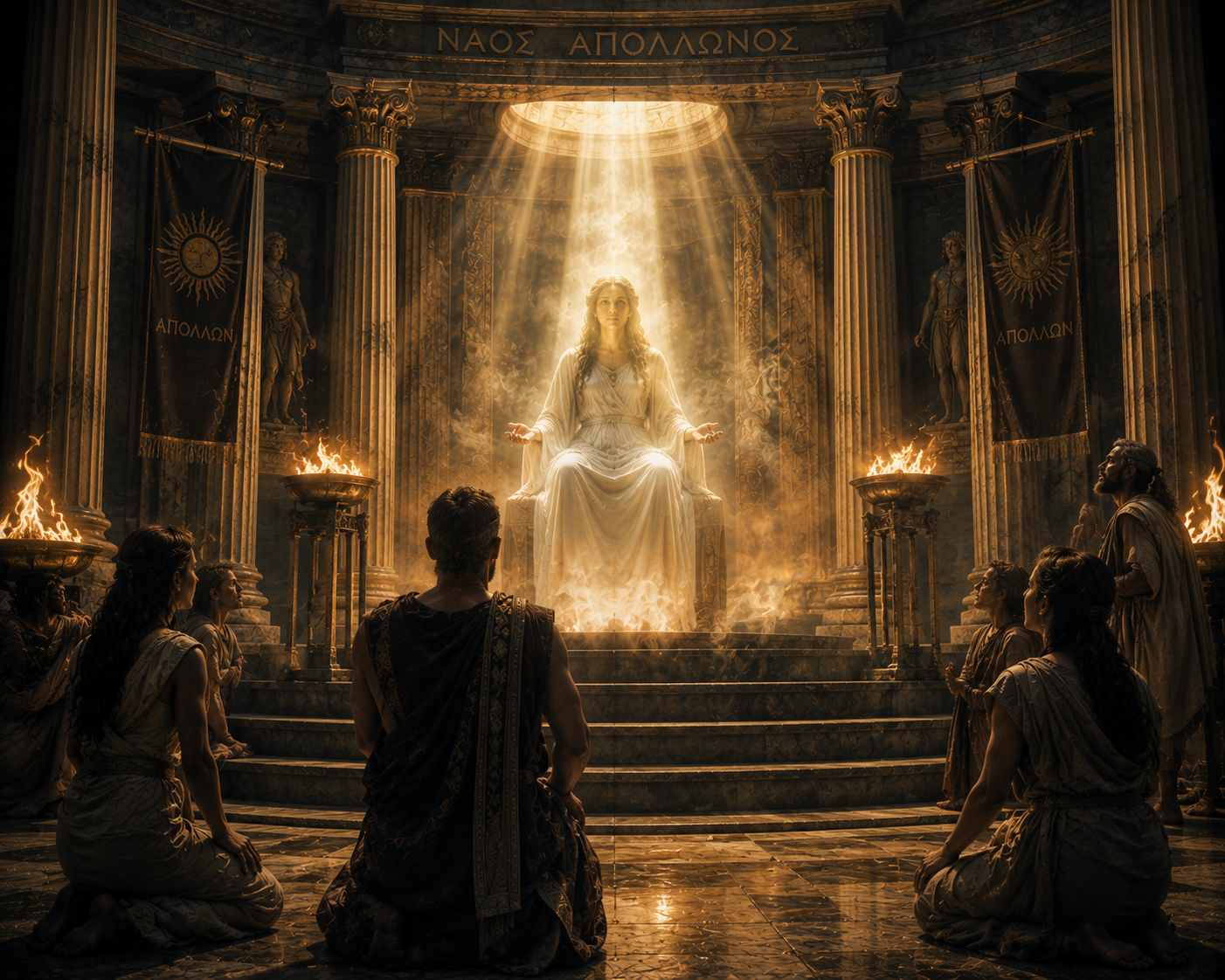
- The Oracle of Apollo is the driving force behind the events of Oedipus Rex.
- It represents the will of the gods and shows that divine prophecies cannot be changed.
- The Oracle predicts that Laius will be killed by his own son, and that this son will marry his mother.
- To avoid this prophecy, Laius orders his infant son, Oedipus, to be abandoned. Ironically, this action helps fulfil the prophecy.
- Oedipus also receives a prophecy that he will kill his father and marry his mother.
- Believing Polybus and Merope to be his real parents, Oedipus leaves Corinth to protect them. This decision unknowingly leads him toward his true destiny.
- At the beginning of the play, the Oracle declares that Thebes will be freed from the plague only when Laius’ murderer is found and punished.
- This prophecy starts Oedipus’ investigation and moves the plot forward.
- The Oracle reveals that human beings cannot escape fate, no matter how wise, powerful, or careful they are.
- It strengthens the central theme of fate versus free will.
- The accuracy of the Oracle proves the superiority of divine knowledge over human understanding.
- The Oracle also exposes the limits of human pride (hubris), as Oedipus believes he can control his own future.
- Through the Oracle, Sophocles teaches that truth may be delayed but cannot remain hidden forever.
Functions of the Oracle
- Initiates the action of the play.
- Reveals the will of the gods.
- Predicts future events accurately.
- Drives the investigation into Laius’ murder.
- Reinforces the theme of fate.
- Demonstrates divine justice.
- Creates suspense and dramatic irony.
- Leads to Oedipus’ recognition (anagnorisis) and downfall.
Important Prophecies
- King Laius will be killed by his own son.
- Oedipus will kill his father and marry his mother.
- The plague in Thebes will end only when Laius’ murderer is punished.
Moral of the Play
- No one can escape fate.
- Excessive pride leads to downfall.
- True wisdom comes from accepting the truth, however painful.
- Human beings should remain humble before destiny and the gods.
Character Sketch of Oedipus:
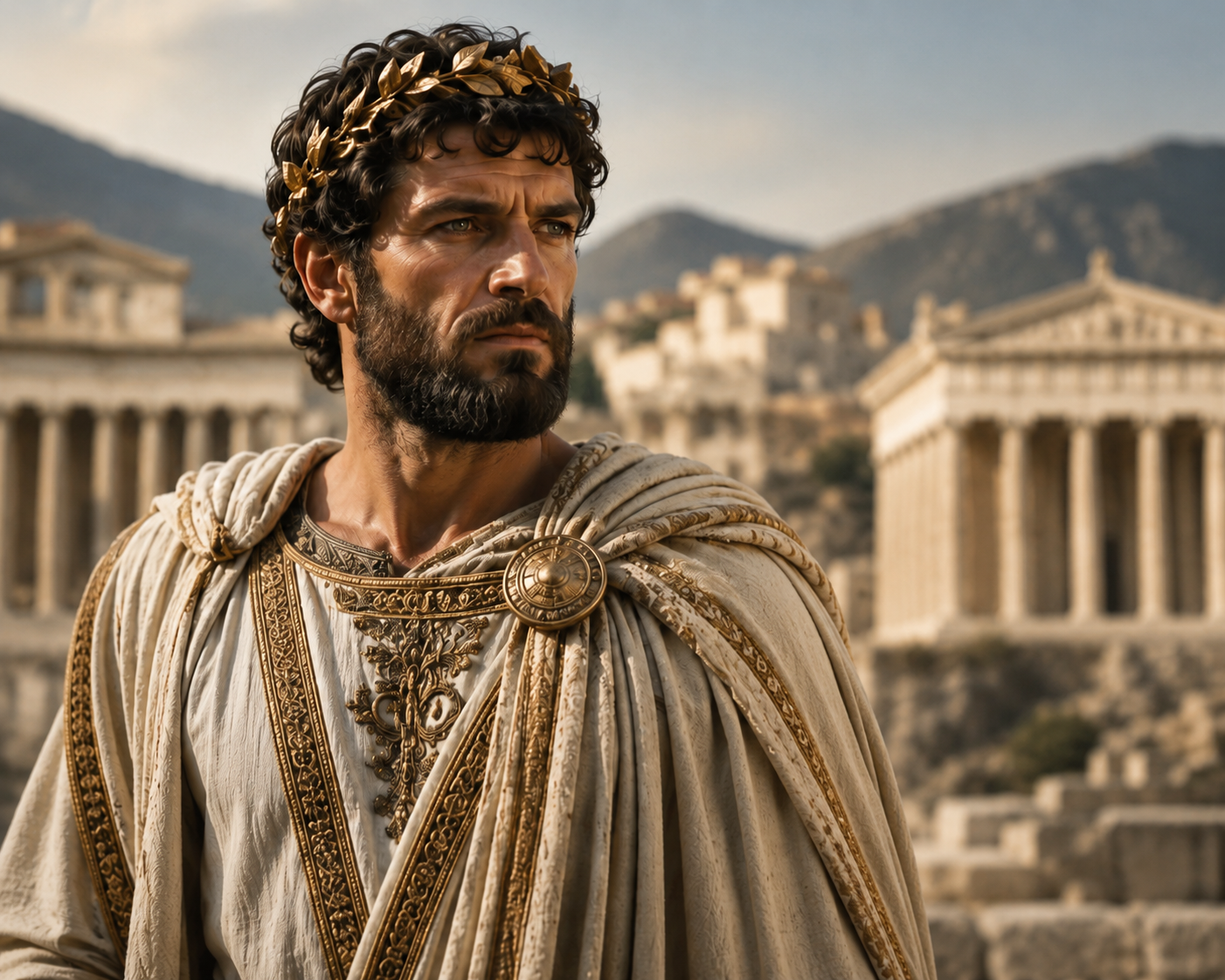
- Oedipus is the King of Thebes and the central character of the play.
- He is a wise and intelligent ruler, famous for solving the riddle of the Sphinx and saving Thebes.
- He is deeply concerned for his people and immediately seeks a cure for the plague afflicting the city.
- He is determined and promises to discover the murderer of King Laius.
- Oedipus is brave and fearless, willing to face any danger in pursuit of the truth.
- He has a strong sense of justice and believes that criminals must be punished.
- However, he is also proud (hubristic) and believes too strongly in his own judgment.
- His quick temper causes him to insult Tiresias and wrongly accuse Creon of conspiracy.
- He is impulsive, often acting before thinking carefully.
- His greatest strength is his love of truth. Even when the truth threatens him personally, he refuses to stop the investigation.
- Oedipus becomes a victim of tragic irony, searching for the murderer without realizing he is searching for himself.
- His hamartia (tragic flaw) is pride combined with anger and rashness.
- After discovering the truth, he accepts full responsibility instead of blaming others.
- He blinds himself as an act of punishment and remorse, showing his moral courage.
- Finally, he chooses exile to protect Thebes and accept the consequences of his actions.
- His life demonstrates the conflict between human free will and unavoidable fate.
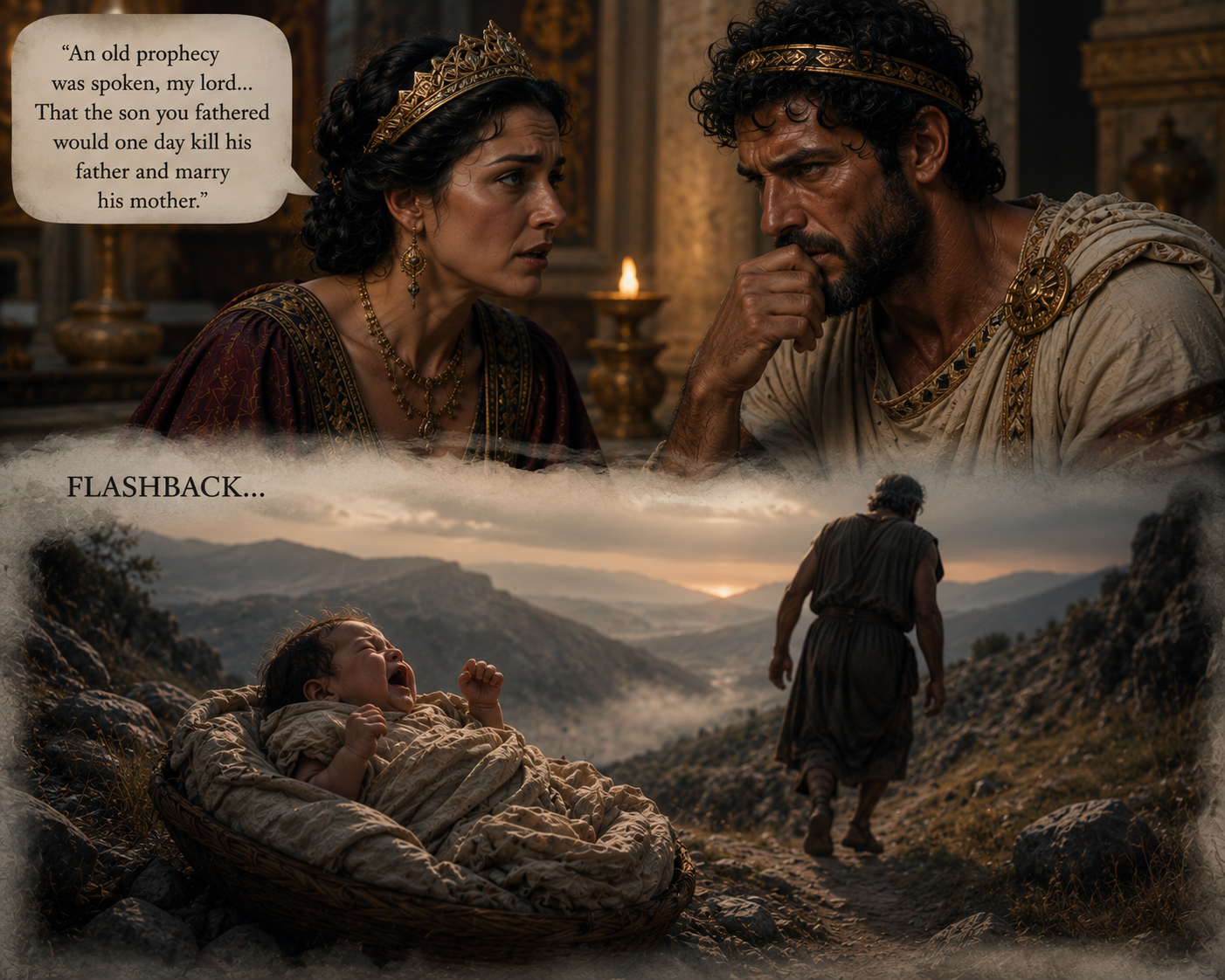
Character Sketch of Jocasta
- Jocasta is the Queen of Thebes, wife of Oedipus, and widow of King Laius.
- She is a kind, intelligent, and compassionate woman who genuinely cares for her family and the people of Thebes.
- She tries to maintain peace and harmony, especially when Oedipus quarrels with Tiresias and Creon.
- Jocasta is practical and rational. She believes that human life should not be controlled by fear of prophecies.
- To comfort Oedipus, she explains that an oracle once predicted Laius would be killed by his own son, but she believes the prophecy failed because the infant was abandoned.
- Ironically, her words bring Oedipus closer to discovering the truth.
- As the investigation continues, Jocasta gradually realizes that Oedipus is actually her son and that the prophecy has been fulfilled.
- Unlike Oedipus, she recognizes the truth earlier and desperately begs him to stop his search.
- Her silence reflects her horror and emotional suffering.
- Unable to bear the shame and guilt of marrying her own son, Jocasta commits suicide.
- Her death marks the emotional climax of the tragedy and intensifies Oedipus’ suffering.
- Jocasta becomes a tragic figure because she tries to escape fate but ultimately cannot prevent it.
- Through her character, Sophocles shows that human beings cannot escape destiny, however hard they try.
Qualities of Jocasta
- Loving wife
- Caring mother
- Wise and practical
- Compassionate
- Peace-loving
- Emotionally strong until the truth is revealed
Weaknesses
- Disbelieves divine prophecies
- Attempts to suppress the truth
- Tries to escape fate rather than face it
Role in the Play
- Supports and comforts Oedipus.
- Helps reveal the mystery of Laius’ death.
- Creates dramatic irony through her comments about prophecy.
- Recognizes the truth before Oedipus.
- Her suicide leads directly to Oedipus’ self-blinding and completes the tragic ending.
Character Sketch of Laius
- Laius is the former King of Thebes and the father of Oedipus.
- He is married to Jocasta and belongs to the royal house of Thebes.
- An oracle predicts that his own son will kill him and marry his mother.
- Terrified by the prophecy, Laius orders that his newborn son be abandoned on a mountainside with his ankles pierced so that he will die.
- This decision reflects his fear of fate and his attempt to escape divine prophecy.
- Ironically, by trying to avoid destiny, Laius helps bring about its fulfilment.
- Years later, while travelling, Laius meets Oedipus at a crossroads.
- A quarrel breaks out over the right of way, and Oedipus kills Laius without knowing he is his father.
- Although Laius appears only through the accounts of other characters, he is a crucial figure because his actions begin the chain of tragic events.
- He is portrayed as authoritative and proud, and some accounts suggest that his arrogance at the crossroads contributes to the fatal conflict.
- Laius is also shown as a man deeply influenced by belief in oracles and the will of the gods.
- His life demonstrates that no one can escape fate, even kings.
Conclusion
Oedipus is one of the greatest tragic heroes in world literature. His intelligence, courage, and commitment to truth make him admirable, while his pride and impulsiveness lead to his downfall. Through his suffering, Sophocles shows that no one can escape fate and that true greatness lies in accepting responsibility for one’s actions.
Read More:
The Hairy Ape – STUDY ENGLISH LITERATURE
The Old Man and the Sea – STUDY ENGLISH LITERATURE
You can also visit my YouTube Channel: