
EMMA – IMPORTANT MCQs
Emma – Important MCQs below will help students in their competitive exams.
In which era is the novel “Emma” set?
- a) Regency era
- b) Victorian era
- c) Georgian era
- d) Edwardian era
Answer: a) Regency era
What is the name of the protagonist in “Emma”?
- a) Emma Knightley
- b) Emma Fairfax
- c) Emma Woodhouse
- d) Emma Churchill
Answer: c) Emma Woodhouse
Where is the fictional village of Highbury located in “Emma”?
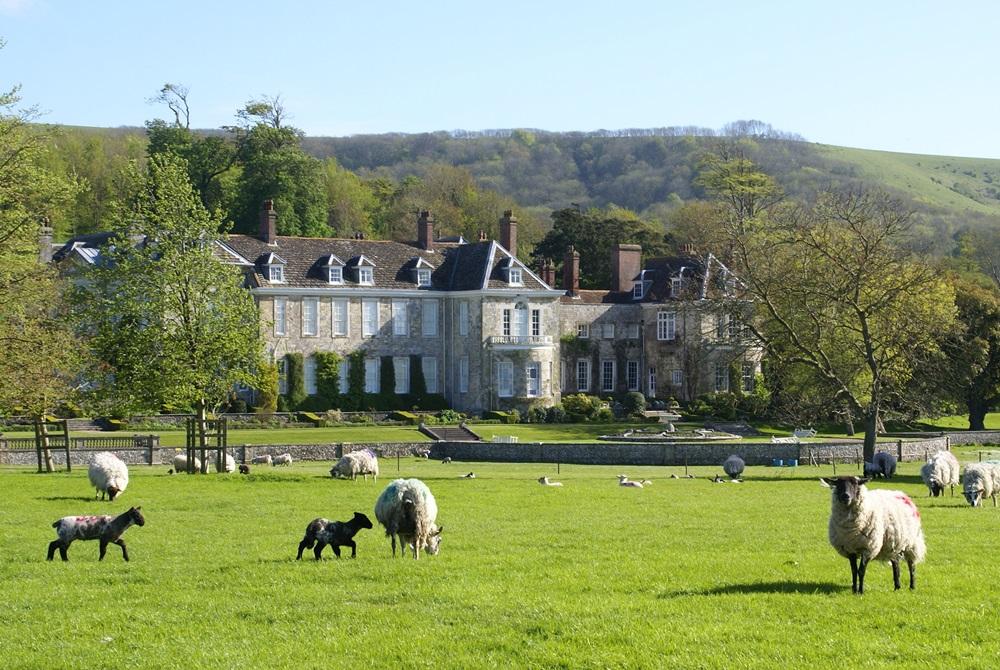
- a) Hampshire
- b) Sussex
- c) Derbyshire
- d) Kent
Answer: a) Hampshire
Who is Emma’s close family friend and neighbor?
- a) Mr. Elton
- b) Mr. Knightley
- c) Frank Churchill
- d) Mr. Weston
Answer: b) Mr. Knightley
What is Emma’s talent or interest in the novel?
- a) Painting
- b) Singing
- c) Dancing
- d) Matchmaking
Answer: d) Matchmaking
Who is the friend that Emma tries to matchmake throughout the novel?
- a) Jane Fairfax
- b) Harriet Smith
- c) Frank Churchill
- d) Isabella Knightley
Answer: b) Harriet Smith
Who does Emma initially discourage Harriet from pursuing?
- a) Mr. Elton
- b) Mr. Knightley
- c) Frank Churchill
- d) Mr. Weston
Answer: a) Mr. Elton
Who does Emma believe to be in love with her friend Harriet?
- a) Mr. Knightley
- b) Frank Churchill
- c) Mr. Elton
- d) Mr. Weston
Answer: c) Mr. Elton
Who turns out to be the real object of Mr. Elton’s affection?
- a) Jane Fairfax
- b) Harriet Smith
- c) Emma Woodhouse
- d) Isabella Knightley
Answer: a) Jane Fairfax
Which character is Emma’s sister?
- a) Jane Fairfax
- b) Harriet Smith
- c) Emma Woodhouse
- d) Isabella Knightley
Answer: d) Isabella Knightley
Who is the aunt of Frank Churchill?
- a) Mrs. Weston
- b) Mrs. Elton
- c) Miss Bates
- d) Mrs. Goddard
Answer: a) Mrs. Weston
What is Mr. Knightley’s first name?
- a) George
- b) John
- c) Henry
- d) William
Answer: b) John
Who does Emma think is the perfect match for Mr. Knightley?
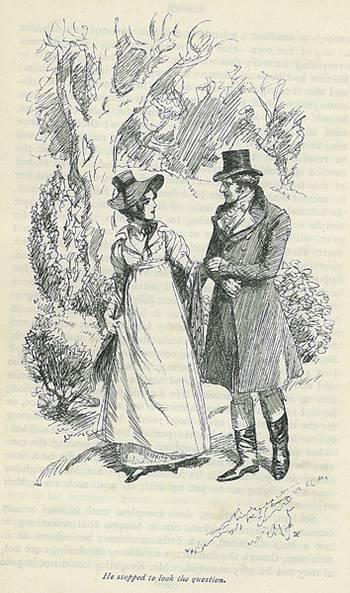
- a) Harriet Smith
- b) Jane Fairfax
- c) Isabella Knightley
- d) Emma Woodhouse
Answer: d) Emma Woodhouse
What event leads Emma to reevaluate her matchmaking efforts?
- a) Harriet’s engagement
- b) Mr. Elton’s proposal
- c) Jane Fairfax’s secret engagement
- d) Frank Churchill’s sudden departure
Answer: c) Jane Fairfax’s secret engagement
Who ultimately proposes to Emma?
- a) Mr. Knightley
- b) Frank Churchill
- c) Mr. Elton
- d) Mr. Weston
Answer: a) Mr. Knightley
What is the final outcome of Emma’s matchmaking efforts?
- a) Harriet marries Mr. Knightley
- b) Harriet marries Frank Churchill
- c) Harriet marries Mr. Elton
- d) Harriet marries Robert Martin
Answer: d) Harriet marries Robert Martin
What is the name of Emma’s father?
- a) Mr. Weston
- b) Mr. Elton
- c) Mr. Woodhouse
- d) Mr. Churchill
Answer: c) Mr. Woodhouse
Which character is constantly chatty and tends to ramble?
- a) Jane Fairfax
- b) Miss Bates
- c) Mrs. Weston
- d) Mrs. Elton
Answer: b) Miss Bates
What is the social class of Jane Fairfax?
- a) Gentry
- b) Aristocracy
- c) Working class
- d) Nobility
Answer: a) Gentry
Who is Emma’s friend and confidante?
- a) Miss Bates
- b) Jane Fairfax
- c) Harriet Smith
- d) Mrs. Weston
Answer: d) Mrs. Weston
Who is Emma’s governess in her childhood?
- a) Mrs. Weston
- b) Miss Bates
- c) Mrs. Elton
- d) Miss Taylor
Answer: d) Miss Taylor
Which character is described as reserved, elegant, and accomplished?
- a) Emma Woodhouse
- b) Harriet Smith
- c) Jane Fairfax
- d) Isabella Knightley
Answer: c) Jane Fairfax
What is the main social issue explored in “Emma”?
- a) Gender inequality
- b) Social class divisions
- c) Racial discrimination
- d) Political corruption
Answer: b) Social class divisions
Who wrote the novel “Emma”?
- a) Emily Brontë
- b) Charlotte Brontë
- c) Jane Austen
- d) Mary Shelley
Answer: c) Jane Austen
Which of the following is not a Jane Austen novel?
- a) Pride and Prejudice
- b) Mansfield Park
- c) Northanger Abbey
- d) Wuthering Heights
Answer: d) Wuthering Heights
Which novel by Jane Austen features the character Mr. Darcy?
- a) Persuasion
- b) Emma
- c) Sense and Sensibility
- d) Pride and Prejudice
Answer: d) Pride and Prejudice
How many novels did Jane Austen publish in her lifetime?
- a) 3
- b) 4
- c) 6
- d) 8
Answer: b) 4
Which Austen novel was published posthumously?
- a) Persuasion
- b) Sense and Sensibility
- c) Northanger Abbey
- d) Emma
Answer: a) Persuasion
Which novel is often considered Jane Austen’s masterpiece?
- a) Emma
- b) Pride and Prejudice
- c) Mansfield Park
- d) Sense and Sensibility
Answer: b) Pride and Prejudice
What is the overall tone of “Emma”?
- a) Serious and dramatic
- b) Satirical and comedic
- c) Dark and gothic
- d) Romantic and sentimental
Answer: b) Satirical and comedic
Interesting Facts About Jane Austen
1. Jane Austen Published Anonymously
Her novels were first published under a pen name. Books were credited as:
“By a Lady”
Women writers during that period were often not taken seriously in literary circles.
2. She Never Married
Ironically, although Austen wrote some of the greatest romantic novels in English literature, she herself never married. However, she deeply understood human relationships and emotions.
3. She Started Writing at a Young Age
Jane Austen began writing stories and short plays as a teenager. These early writings are known as her Juvenilia.
4. Emma Was Dedicated to the Prince Regent
Emma was dedicated to the Prince Regent (later King George IV), even though Austen reportedly did not admire him personally.
5. She Wrote About Ordinary Life
Unlike many writers of her time who focused on war, politics, or adventure, Austen wrote about:
- family life
- marriage
- social manners
- women’s struggles
- class distinctions
This realism made her novels timeless.
6. Jane Austen’s Home is Now a Museum
Her house in Chawton, England, where she wrote and revised many novels, is now a famous literary museum visited by readers worldwide.
7. She Had a Sharp Sense of Humour
Austen’s novels are filled with irony, wit, and subtle satire. She often mocked:
- social hypocrisy
- fake manners
- pride
- obsession with marriage and wealth
8. Her Novels Became More Famous After Her Death
During her lifetime, Austen was respected but not extremely famous. Her global popularity grew greatly in the Victorian era and continues today.
9. Many Films and Series Are Based on Her Novels
Her works have inspired countless adaptations including:
- Pride and Prejudice
- Emma
- Sense and Sensibility
These adaptations remain popular even today.
10. She Wrote Only Six Complete Novels
Her completed novels are:
- Sense and Sensibility
- Pride and Prejudice
- Mansfield Park
- Emma
- Northanger Abbey
- Persuasion
11. Jane Austen Appears on British Currency
Jane Austen’s portrait appears on the £10 British note, showing her importance in English literature and culture.
12. She Loved Reading and Family Gatherings
Austen belonged to a close-knit family and enjoyed reading aloud, music, dancing, and social observation — experiences that influenced her novels.
Women Writers on British Currency Notes
1. Jane Austen
- Appears on the £10 note
- Introduced in 2017
- Replaced Charles Darwin on the note
-
Famous quote included:
“I declare after all there is no enjoyment like reading!”

Other Famous Women on British Notes (Not Primarily Writers)
Although not many women writers appeared on currency, several notable women from other fields have appeared on British notes:
Florence Nightingale
- Nurse and social reformer
- Appeared on the £10 note before Jane Austen
Elizabeth Fry
- Prison reformer and philanthropist
- Appeared on the £5 note
Queen Elizabeth II
- Appeared on all modern British notes for decades
Read More:
50 Important MCQs on Rabbi Ben Ezra by Robert Browning
40+ Important MCQs on ‘Travel by Train’ and ‘On Doing Nothing’ – J.B. Priestley