
The Rise of Climate Fiction
I have been thinking for quite some time about climate change and its effect on us. This article, ‘The Rise of Climate Fiction’, will definitely change our attitude and responsibility towards Mother Nature and our Planet.
Introduction

Climate change is often presented through statistics, scientific reports, and alarming headlines. We hear about rising temperatures, melting glaciers, devastating wildfires, and endangered species almost every day. Yet, despite this constant flow of information, many people still find it difficult to connect with the crisis. This is where literature steps in.
A growing body of contemporary fiction, known as Climate Fiction or Cli-Fi, explores the environmental challenges of our time through compelling stories and unforgettable characters. Rather than simply describing ecological disasters, these novels invite readers to experience the emotional, ethical, and social consequences of climate change. They encourage us to see the natural world not as a backdrop to human life but as a living community to which we belong.
What Is Climate Fiction? Why The Rise of Climate Fiction is important?
Climate Fiction, often abbreviated as Cli-Fi, is a literary genre that places climate change and environmental transformation at the heart of its narrative. These stories imagine the effects of rising seas, disappearing forests, changing weather patterns, species extinction, and environmental injustice. Some are set in the near future, while others depict the climate crisis unfolding in the present.
Unlike traditional science fiction, Cli-Fi is grounded in real environmental concerns. It asks an important question:
What does climate change feel like—not just scientifically, but emotionally and morally?
Why Does Climate Fiction Matter?
Scientific facts explain what is happening to the planet, but stories help us understand why it matters. When readers follow characters coping with drought, wildfire, flooding, or ecological loss, climate change becomes more than an abstract issue—it becomes a deeply human experience.
This emotional connection is often described by literary scholars as ecological empathy: the ability to care not only about other people but also about forests, rivers, animals, and ecosystems. Through storytelling, readers begin to recognize that humans are part of a larger web of life.
Richard Powers’ The Overstory: Listening to the Forest -The Rise of Climate Fiction

One of the most influential works of climate fiction is Richard Powers’ The Overstory (2018), which won the Pulitzer Prize for Fiction.
Rather than treating trees as passive elements of the landscape, Powers presents them as living beings with histories, relationships, and forms of communication. The novel follows several individuals whose lives are transformed by their encounters with forests and environmental activism.
The novel challenges readers to rethink long-held assumptions about nature. Instead of asking how forests serve humanity, it asks how humanity might learn to live respectfully within the larger ecological community.
Amitav Ghosh and the Climate Crisis
Indian writer Amitav Ghosh has become one of the most influential voices in environmental literature.
In Gun Island, he explores migration, folklore, and climate change across India and Europe, demonstrating how environmental disasters reshape human lives.
In his influential nonfiction work The Great Derangement, Ghosh argues that contemporary literature has often struggled to represent climate change because of its vast scale and complexity. He encourages writers to imagine new ways of telling stories that reflect the realities of the Anthropocene.
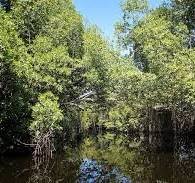
Together, these works remind readers that climate change is not only an environmental issue but also a cultural, political, and literary challenge.
Other Contemporary Voices in Climate Fiction
Several contemporary authors have expanded the boundaries of Climate Fiction.
Barbara Kingsolver’s Flight Behavior explores changing butterfly migration patterns and the conflict between scientific knowledge and public perception.

Charlotte McConaghy’s Migrations tells the story of a woman following the last Arctic terns, creating a moving meditation on extinction, grief, and hope.
Kim Stanley Robinson’s The Ministry for the Future imagines global cooperation in response to climate catastrophe, showing that literature can also inspire practical solutions rather than merely portray disaster.
These novels differ in style and setting, but they share a common goal: helping readers imagine a more responsible relationship with the Earth.
Literature as Environmental Action
Can a novel reduce carbon emissions? Probably not.
Can it change the way we think about forests, oceans, and wildlife? Absolutely.
Stories shape our values. They influence how we understand justice, responsibility, and belonging. Climate fiction encourages readers to see environmental care not as an optional act of kindness but as an ethical responsibility.
By fostering ecological empathy, literature becomes an important partner in the global conversation about sustainability.
Conclusion- The Rise of Climate Fiction
Climate fiction reminds us that the environmental crisis is not merely a scientific problem to be solved; it is also a human story waiting to be understood. Through powerful narratives, contemporary writers invite us to imagine a world where people and nature are deeply interconnected.
Perhaps the greatest achievement of Climate Fiction is not that it predicts the future but that it encourages us to care enough to change it.