
Mulk Raj Anand’s The Barber’s Trade Union
Mulk Raj Anand’s The Barber’s Trade Union is a humorous short story about Chandu, who fights against upper-class villagers who see him as downcast.
About the Author
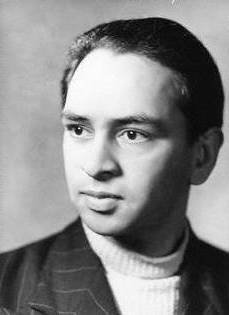
Mulk Raj Anand (1905–2004) was one of the pioneers of Indian writing in English. His works focus on the lives of the poor, the oppressed, and the marginalized sections of society. Through realism, satire, and humanism, Anand exposed social evils such as caste discrimination, poverty, and exploitation.
Mulk Raj Anand’s The Barber’s Trade Union – Summary
The Barber’s Trade Union is a humorous yet socially significant short story set in a traditional Indian village. It is narrated by an unnamed boy who recalls his childhood friend Chandu, a barber’s son.
Chandu is intelligent, energetic, and ambitious. After his father’s death, he has to abandon his education and continue the hereditary profession of barber. Although he provides an essential service to the villagers, he is treated with contempt because he belongs to a lower caste. The upper-caste villagers expect him to visit their homes and serve them without showing him any respect.
One day, Chandu visits a nearby town where he observes modern barbers and dentists working in proper shops and wearing neat clothes. Inspired by them, he dresses well and tries to improve his appearance. However, the village elders mock and insult him, insisting that a barber has no right to look like a gentleman. Their humiliation deeply hurts Chandu.
Instead of accepting this injustice, Chandu decides to stop visiting the villagers’ homes to shave and cutting hair. The villagers soon suffer because they cannot find another barber. Chandu also persuades the barbers in nearby villages to support him, preventing the villagers from hiring outsiders.
Eventually, Chandu forms the “Rajkot District Barber Brothers’ Hairdressing and Shaving Saloon”, a trade union of barbers. The new rule requires customers to come to the shop rather than expecting the barber to serve them at home. The villagers are forced to accept these conditions, and Chandu succeeds in restoring dignity and respect to his profession. The story ends with Chandu’s victory over social prejudice and exploitation.
Mulk Raj Anand’s The Barber’s Trade Union – Main Characters
1. Chandu (Protagonist)
- The central character of the story.
- Intelligent, courageous, and self-respecting.
- Belongs to a lower caste and works as a barber.
- Challenges caste discrimination through courage and innovation.
- Organizes the barbers into a trade union and wins respect for his profession.
2. The Narrator
- Chandu’s childhood friend.
- Belongs to a higher caste.
- Admires Chandu’s intelligence, confidence, and leadership.
- Narrates the story with admiration and humour.
3. Village Elders
- Represent orthodox, upper-caste society.
- Believe in maintaining traditional caste hierarchy.
- Humiliate Chandu for dressing like a respectable professional.
- Ultimately surrender to Chandu’s demands.
4. Chandu’s Mother
- A caring and hardworking woman.
- Supports Chandu after his father’s death.
- Represents the struggles of poor rural families.
5. Narrator’s Mother
- Reflects the caste prejudice common in traditional society.
- Looks down upon Chandu because of his social status.
Mulk Raj Anand’s The Barber’s Trade Union – Style
1. Realistic Style
Anand presents a realistic picture of Indian village life, caste discrimination, and the hardships faced by lower-caste workers.
2. Humour and Irony
The story is filled with gentle humour, especially when the proud village elders become helpless without a barber. Their embarrassment creates comic irony.
3. Satire
The author satirizes the rigid caste system and the arrogance of upper-caste villagers who believe they are superior despite depending on Chandu’s services.
4. Simple and Lucid Language
The language is straightforward, conversational, and easy to understand, making the story accessible while effectively conveying its social message.
5. Symbolism
- The barber’s shop symbolizes dignity, professionalism, and social equality.
- The trade union symbolizes unity, collective strength, and resistance against exploitation.
6. First-Person Narration
The story is narrated in the first person by Chandu’s friend, which makes the account lively, personal, and believable.
Major Themes
- Caste discrimination
- Dignity of labour
- Social equality
- Self-respect
- Collective action and trade unionism
- Resistance against oppression
- Modernity versus tradition
- Human dignity
Important Literary Features in Mulk Raj Anand’s The Barber’s Trade Union
- Genre: Short Story
- Setting: A traditional Indian village
- Narrative Technique: First-person narration
- Tone: Humorous, satirical, and reformative
- Conflict: Individual vs. Society
- Ending: Optimistic, with justice achieved through courage and unity
Examination Points
Why is Chandu considered a hero?
- He challenges caste discrimination.
- He values self-respect over blind obedience.
- He organizes the barbers into a union.
- He brings dignity to his profession.
- He successfully reforms an unjust social practice.
Message of the Story
The story teaches that every profession deserves respect, and that unity, courage, and self-respect can overcome social injustice and discrimination. It also emphasizes that outdated social hierarchies must give way to equality and human dignity.
Frequently asked short questions:
1. Who is Chandu?
Answer: Chandu is the protagonist of The Barber’s Trade Union. He is a young village barber who challenges caste discrimination and fights for the dignity of his profession.
2. Why does Chandu refuse to work at people’s homes?
Answer: Chandu refuses to work at people’s homes because the villagers treat him disrespectfully and consider him inferior because of his caste. He wants to be treated as a professional with dignity.
3. What is the significance of the trade union?
Answer: The trade union represents unity and collective resistance. By organizing the barbers, Chandu challenges exploitation and forces the villagers to respect their profession and labour.
4. What is the main message of The Barber’s Trade Union?
Answer: The story emphasizes dignity of labour, equality, self-respect, and resistance to caste discrimination. Anand shows that unity and courage can challenge unjust social traditions.