
Emma – Jane Austen
Emma is considered to be Jane Austen’s Beloved Comedy. Through Emma Woodhouse, Jane Austen shows how pride, imagination, and social prejudice can lead to misunderstanding.
Introduction to the Author – Jane Austen
Jane Austen (1775–1817) was one of the greatest novelists of English literature. She is famous for her realistic portrayal of middle-class English society, especially the lives of women during the Regency period. Her novels combine romance, wit, irony, and social criticism. Austen focused on themes such as marriage, class, morality, and personal growth. Some of her major works include Pride and Prejudice, Sense and Sensibility, Mansfield Park, Emma, and Persuasion.
Emma was published in 1815 and is considered one of Austen’s finest and most mature novels.
Summary of Emma

Emma is a novel about self-discovery, social relationships, and love. The story revolves around Emma Woodhouse, a wealthy, intelligent, and beautiful young woman living in the village of Highbury. Although she has no intention of marrying herself, she enjoys arranging marriages for others.
Emma believes she successfully matched her governess Miss Taylor with Mr. Weston. Encouraged by this success, she tries to find a suitable husband for Harriet Smith, a simple and innocent girl of uncertain parentage. Emma persuades Harriet to reject Robert Martin, a respectable farmer, because Emma thinks Harriet deserves someone of higher status.
Emma’s matchmaking creates confusion and misunderstandings. She wrongly believes that Mr. Elton loves Harriet, but he actually proposes to Emma. Later, Frank Churchill arrives in Highbury and becomes the center of attention. Emma imagines romantic connections between Frank and Harriet, while secretly Jane Fairfax and Frank are engaged.
Throughout the novel, Emma learns about her own mistakes, pride, and lack of understanding. Eventually, she realizes that Harriet loves Mr. Knightley, Emma’s close friend. This realization helps Emma understand her own feelings for Mr. Knightley. In the end, Harriet marries Robert Martin, and Emma marries Mr. Knightley.
The novel ends happily with harmony and proper understanding restored.
Traits of Emma Woodhouse
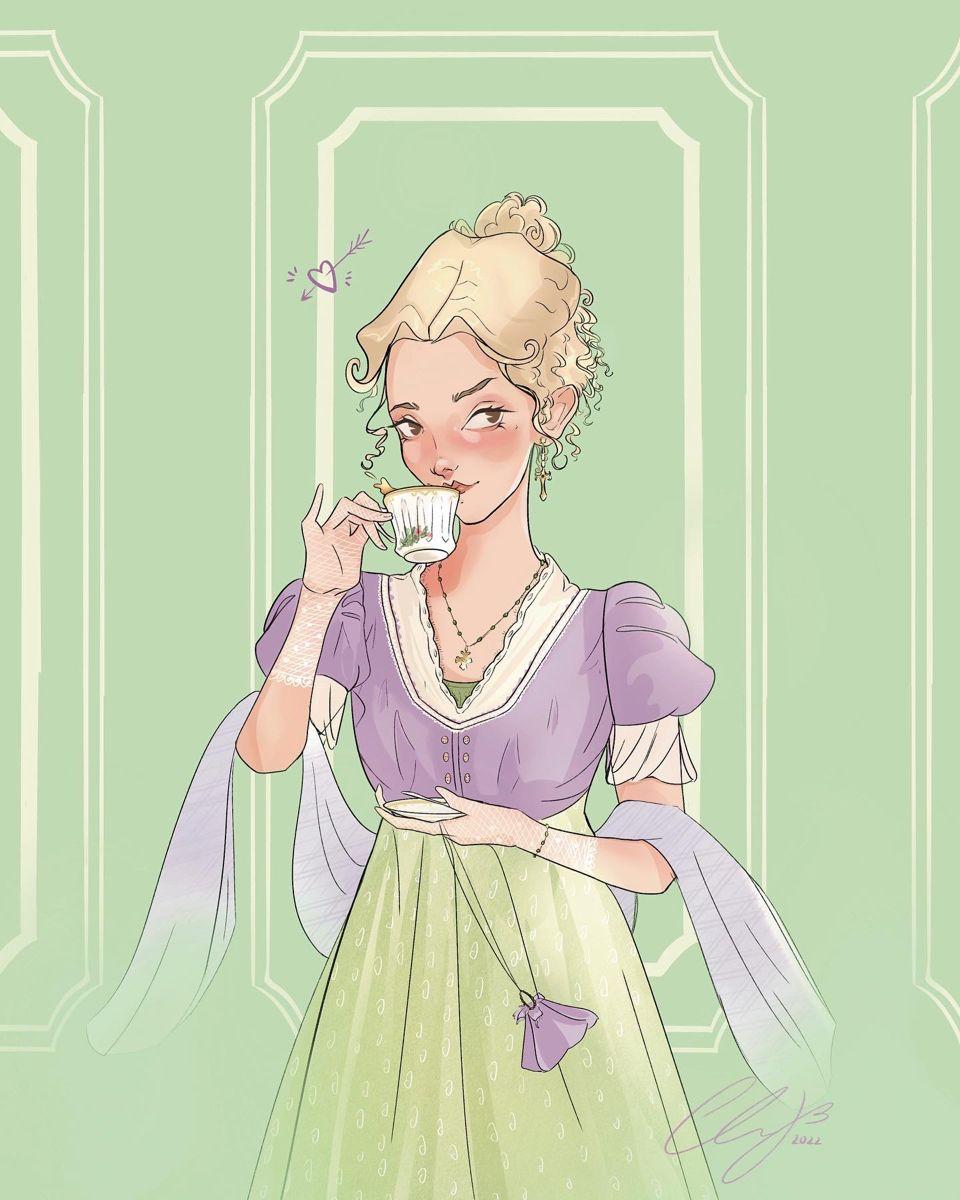
Emma enjoys creating romantic fantasies and matchmaking plans.
4. Kind-hearted
Despite her mistakes, Emma genuinely cares for her friends and family.
5. Immature
At the beginning of the novel, Emma lacks self-awareness and acts impulsively.
6. Self-Reflective
By the end of the novel, Emma recognizes her faults and grows emotionally mature.
Major Characters in the Novel
Emma Woodhouse
The heroine of the novel; rich, intelligent, and fond of matchmaking.
Mr. Knightley
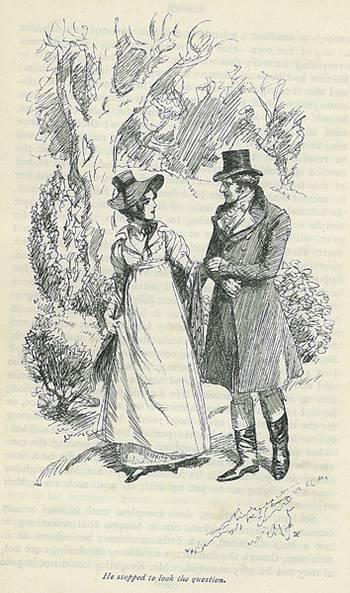
Emma’s close friend and moral guide. Honest, sensible, and mature.
Harriet Smith
A sweet but naïve girl influenced by Emma.
Frank Churchill
A charming young man who secretly loves Jane Fairfax.
Jane Fairfax
An intelligent and talented young woman who is reserved and graceful.
Mr. Elton
A clergyman who seeks social advancement and proposes to Emma.
Mrs. Weston (Miss Taylor)
Emma’s former governess and trusted friend.
Robert Martin
A respectable farmer who truly loves Harriet.
Symbols and Motifs in Emma
1. Matchmaking
Matchmaking symbolizes human interference in natural relationships. Emma’s failures show the dangers of pride and manipulation.
2. Social Class
Class distinctions appear throughout the novel. Austen criticizes society’s obsession with rank and status.
3. Sight and Blindness
Emma often fails to “see” the truth about herself and others. This motif reflects self-deception and personal growth.
4. Conversation and Gossip
Social conversations reveal character, relationships, and misunderstandings.
5. The Village of Highbury
Highbury symbolizes a small social world where everyone’s actions affect others.
The Era of Emma
Emma is set in the Regency Era, in England (1811–1820). This period was marked by strict social manners, class consciousness, and limited opportunities for women. Marriage was considered important for women’s social and financial security.
Jane Austen realistically portrays the lifestyle of the English gentry, including tea parties, social visits, dances, and marriage negotiations. The novel reflects the values and expectations of early nineteenth-century English society.
Conclusion
Emma is not only a romantic novel but also a story of personal growth and moral learning. Through Emma Woodhouse, Jane Austen shows how pride, imagination, and social prejudice can lead to misunderstanding. The novel highlights the importance of self-awareness, humility, and genuine affection. Austen’s wit, irony, and realistic characterization make Emma one of the most celebrated novels in English literature.
Frequently Asked Questions (FAQs)
1. Why is Emma considered a unique heroine?
Emma is unique because she is wealthy, independent, and flawed. Unlike many heroines, she does not seek marriage at the beginning of the novel.
2. What is the central theme of Emma?
The central theme is self-discovery and the dangers of pride and misunderstanding.
3. Why does Emma interfere in Harriet’s life?
Emma believes she knows what is best for Harriet and enjoys matchmaking.
4. What role does Mr. Knightley play in the novel?
Mr. Knightley acts as Emma’s moral guide and eventually becomes her husband.
5. What lesson does Emma learn at the end?
Emma learns humility, self-awareness, and the importance of understanding others truthfully.
Read More:
Arms and the Man STUDY ENGLISH LITERATURE
Structure, Sign and Play by Jacques Derrida STUDY ENGLISH LITERATURE