
Professions for Women by Virginia Woolf
Introduction to the Essay
Professions for Women by Virginia Woolf was a speech given at the Women’s Service League in 1931 and later became an influential feminist essay. The essay reflects Woolf’s personal experiences as a woman writer in a male-dominated society. Through simple yet powerful language, she discusses the hidden barriers that prevent women from achieving freedom in professional and creative life.
The essay belongs to the early twentieth-century feminist movement, when women were gradually entering professions traditionally reserved for men. Woolf focuses not only on external struggles, such as a lack of opportunities, but also on psychological obstacles created by patriarchal culture.
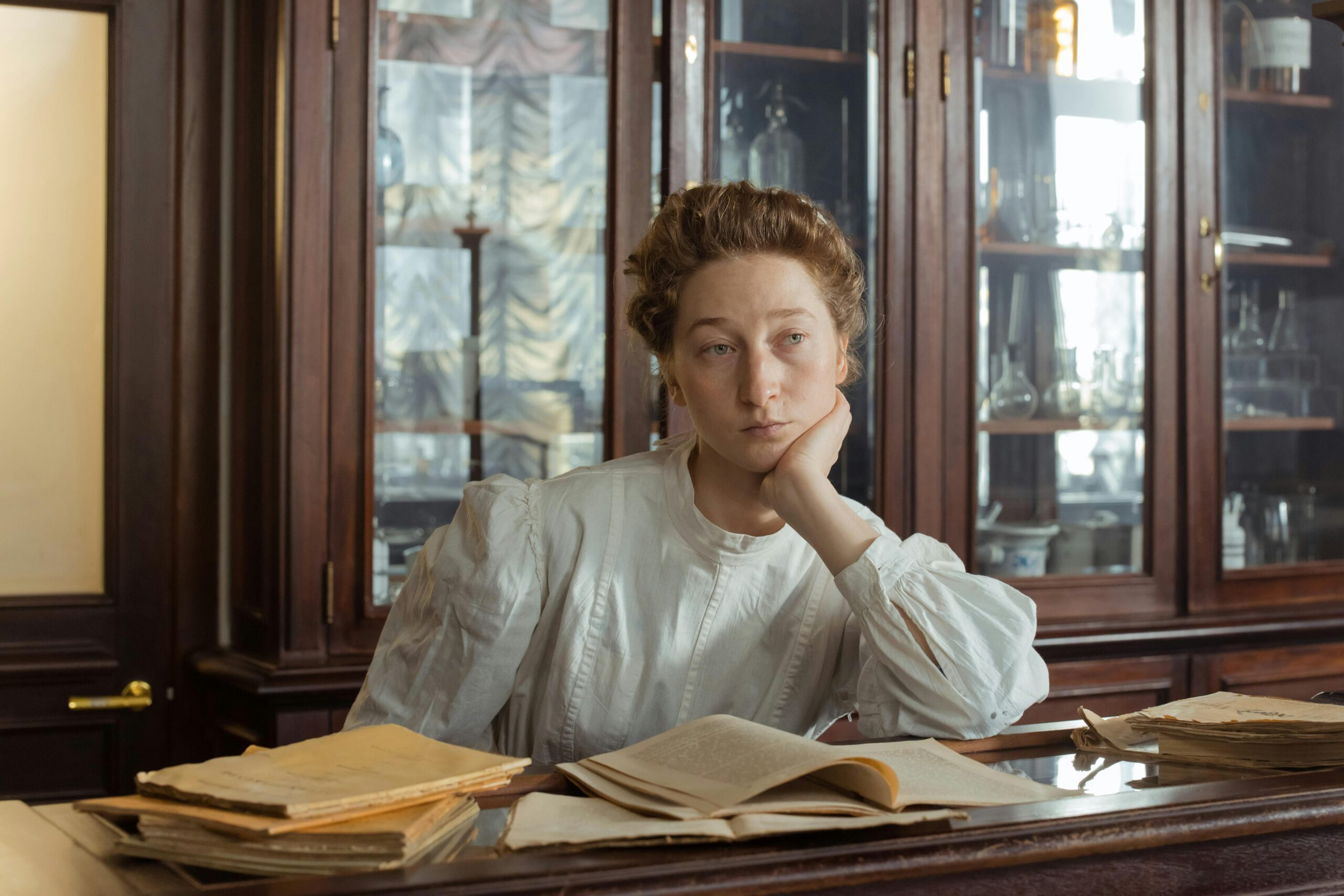
The essay is autobiographical because Woolf uses her own experiences to represent the broader condition of women in society.
Central Idea of the Essay
The central idea of the essay is that women cannot achieve true professional success unless they free themselves from the restrictive social expectations imposed upon them.
Woolf argues that society teaches women to behave according to certain ideals:
- They must be obedient.
- They must sacrifice their own desires.
- They must avoid expressing anger or resentment.
- They must always please men.
Such expectations become obstacles when women try to enter intellectual or artistic professions. Woolf explains that the greatest challenge for women is not merely earning money or finding employment; it is developing the courage to think and speak honestly.
According to Woolf, creative freedom demands psychological independence. A woman writer cannot produce truthful literature if she constantly worries about social approval.
Thus, the essay becomes a call for liberation from mental slavery.
“The Angel in the House”
Meaning of the Phrase

The phrase “The Angel in the House” comes from a Victorian poem by Coventry Patmore, where the ideal woman is portrayed as perfectly gentle, pure, and self-sacrificing.
Woolf uses this image symbolically to describe the traditional feminine ideal imposed upon women.
According to this ideal woman:
- A woman should never offend anyone.
- She should suppress her own opinions.
- She should always be sympathetic and graceful.
- She should devote herself entirely to her family and husband.
This “Angel” becomes a psychological burden for women writers.
Woolf’s Struggle Against the Angel
Woolf explains that while writing, she constantly felt the presence of this imaginary figure guiding and controlling her behavior. The Angel tried to stop her from expressing controversial truths.
For example:
- Women were discouraged from discussing sexuality openly.
- They were expected to remain modest and silent.
- Honest criticism was considered unfeminine.
Woolf realized that to become a successful writer, she had to “kill” this Angel. Symbolically, killing the Angel means rejecting the false ideal of feminine perfection.
This struggle was not physical but psychological. Woolf points out that mental conditioning is often more difficult to overcome than real enemies.
Symbolic Importance
The Angel symbolizes:
- Patriarchal ideology
- Victorian morality
- Internalized oppression
- Gender stereotypes
Even today, many women face similar pressures to appear “perfect,” “soft-spoken,” or “acceptable” in professional spaces.
Therefore, the essay remains relevant in modern feminist discussions.
Woolf’s Personal Experience as a Writer
Woolf makes the essay deeply personal by narrating her own experiences.
She says that at first she earned money by writing reviews and articles. This work seemed socially acceptable because it did not threaten male authority.
However, when she began writing fiction and expressing deeper truths about women’s emotions and desires, she encountered resistance.
She experienced:
- Fear of criticism
- Self-doubt
- Social pressure
- Internal conflict
Woolf suggests that women writers often censor themselves unconsciously because society trains them to avoid offending others.
She emphasizes that honest writing requires intellectual bravery.
The Fear of Speaking Truth
One of Woolf’s important observations is that women hesitate to express their experiences truthfully because society punishes female honesty more harshly than male honesty.
For example:
- A male writer discussing desire may be praised.
- A female writer discussing the same topic may be criticized.
Thus, women writers face double standards.
Woolf believed that literature should reflect truth, but women could not write truthfully unless they freed themselves from fear.
Material Obstacles Faced by Women in Professions for Women by Virginia Woolf
Woolf also discusses practical and economic barriers faced by women.
Lack of Financial Independence
Historically, women depended financially on fathers or husbands. This dependence reduced their freedom.
A woman without money:
- Cannot choose her profession freely.
- Cannot devote time to art or education.
- Cannot resist oppressive relationships easily.
In Professions for Women, Virginia Woolf repeatedly stresses that economic independence is essential for intellectual independence.
Lack of Privacy and Education
Women were traditionally denied:
- Higher education
- Libraries and academic spaces

Library - Personal study rooms
- Freedom to travel and interact socially

Domestic responsibilities consumed their time and energy.
Woolf believed creativity requires:
- Solitude
- Freedom
- Education
- Time for reflection
Without these conditions, women struggled to compete on equal terms with men.
Connection with A Room of One’s Own
These ideas strongly connect with Woolf’s famous feminist text A Room of One’s Own.
In that work, she famously argues:
“A woman must have money and a room of her own if she is to write fiction.”
Both essays highlight how social structures restrict female creativity.
Feminist Importance of the Essay
Early Feminist Voice
Professions for Women is considered one of the foundational feminist essays as it challenges patriarchal norms.
At a time when women’s roles were limited mostly to domestic duties, Woolf encouraged women to:
- Enter professions
- Express their opinions
- Develop individuality
- Reject social limitations
Exposure of Psychological Oppression
Many earlier discussions focused only on legal inequality, but Woolf explores psychological oppression.
She explains that:
- Women internalize society’s expectations.
- Oppression becomes part of their thinking.
- Mental freedom is harder to achieve than physical freedom.
This insight became highly influential in later feminist theory.
Relevance in Modern Society
The essay remains relevant because many women today still face:
- Workplace discrimination
- Beauty standards
- Pressure to balance career and family
- Fear of social judgment
Woolf’s discussion of invisible barriers continues to resonate in modern professional life.
Writing Style of Virginia Woolf
Conversational Tone
Woolf writes in a direct and personal style. The essay feels like a conversation rather than a formal lecture.
This style makes complex feminist ideas easier to understand.
Use of Symbolism
The “Angel in the House” is a symbolic figure representing patriarchal control.
Woolf transforms abstract social pressure into a vivid image, making her argument emotionally powerful.
Blending Personal and Political
Woolf combines autobiography with social criticism.
Her personal experiences illustrate broader social problems affecting women collectively.
This method later became central to feminist writing through the idea:
“The personal is political.”
Important Quotes Explained
“Killing the Angel in the House was part of the occupation of a woman writer.”
This quote means that women writers must first destroy traditional feminine ideals before they can write honestly and independently.
The “occupation” of a woman writer involves not only literary work but also psychological rebellion.
“It is far harder to kill a phantom than a reality.”
The “phantom” refers to invisible social conditioning.
Woolf means that imaginary fears, cultural expectations, and internalized beliefs are often more difficult to overcome than physical barriers.
This line highlights the complexity of psychological oppression.
Conclusion
Professions for Women is far more than a discussion about careers. It is a powerful feminist statement about identity, freedom, and self-expression.
Virginia Woolf reveals that women’s greatest struggle lies not only in gaining access to professions but also in overcoming the mental chains created by patriarchal society. Through the symbolic destruction of “The Angel in the House,” she encourages women to think independently and speak truthfully.
The essay continues to inspire readers because its message about freedom, equality, and intellectual courage remains deeply relevant even in the modern world.